
Hi, I am Kushal from India.
For many people, buying a home is one of the biggest financial goals in life. I remember when I first started learning about personal finance, I often heard people discussing home loans, EMIs, down payments, and interest rates. At first, these terms sounded confusing, but once I understood the basics, I realized that a home loan is simply a tool that helps people buy a house without paying the entire amount upfront.
In this guide, I will explain what a home loan is, how it works, its benefits, and the things every beginner should know before applying
Why Do People Need a Home Loan ?

Let’s be honest—very few people have enough cash to buy a house outright.
Imagine you find your dream home worth $50,000. Most people cannot pay such a large amount immediately. Instead of waiting many years to save the full amount, they choose a home loan.
A home loan allows you to buy the house now and repay the money gradually over time through monthly installments.
In simple words, a home loan helps turn the dream of homeownership into reality.
What Is a Home Loan ?
A Home Loan is money borrowed from a bank or financial institution to purchase, build, renovate, or expand a house.
The lender provides a large amount of money, and the borrower agrees to repay it over a fixed period along with interest.
The repayment is usually made through monthly EMIs (Equated Monthly Installments).
Unlike a personal loan, a home loan is specifically meant for housing-related purposes.
How Does a Home Loan Work ?

The process is easier than many beginners think.
Step 1: Choose a Property
First, you select the house or property you want to buy.
Step 2: Apply for a Home Loan
You apply through a bank or housing finance company.
Step 3: Verification Process
The lender reviews your :
- Income
- Employment details
- Credit history
- Existing debts
Step 4: Loan Approval
If everything meets the lender’s requirements, the loan gets approved.
Step 5: Loan Disbursement
The lender provides the approved amount for purchasing the property.
Step 6: EMI Repayment
You repay the loan every month until the full amount and interest are paid.
A Real-Life Example
Let’s imagine a simple situation.
Rahul wants to buy a house worth $4,0000
He has savings of $8,000 but he still needs $32,000 to purchase the property.
Instead of waiting several more years, Rahul applies for a home loan.
The bank approves the loan, and Rahul pays the remaining amount through monthly EMIs over the next several years.
Because of the loan, Rahul is able to move into his new home much sooner.
This is how home loans help many families achieve their homeownership goals.
What Is a Down Payment ?

One of the first terms beginners encounter is “down payment.”
A down payment is the portion of the property’s cost that you pay yourself.
For example:
House Price = $50,000
Your Contribution = $10,000
Loan Amount = $40,000
The $10,000 paid by you is called the down payment.
Generally, a larger down payment may reduce the loan amount and monthly EMI burden.
What Is an EMI ?
EMI stands for Equated Monthly Installment.
It is the fixed amount you pay every month toward your home loan.
An EMI usually consists of :
- Principal Amount (the borrowed money)
- Interest Amount (the lender’s charge)
Every EMI gradually reduces your outstanding loan balance.
Loan EMI Calculator

First understand what a home loan is. EMI because learning about the calculator will be a complete waste of your time if you don’t know what you’re calculating. EMI, which stands for Equated Monthly Installment, is a fixed monthly amount that you simply pay each month to repay the lender. Because many people cannot pay the entire amount in one go to purchase their dream home, they opt for the simple EMI facility, which is a flexible repayment option.
Now that you’ve learned about the EMI, it’s time to introduce you to the much-discussed Loan EMI Calculator. This calculator estimates your EMI amount using a few basic details. Like all other calculators, it develops based on the inputs that you provide. An EMI calculator only requires three inputs: loan amount, interest rate, and tenure. You’ll get the specified output because of the EMI amount as soon as you enter all of these details into it. The process of using it is so simple that anyone can do it.
What I Learned About Home Loans
While learning about home loans, I realized that many beginners focus only on whether the loan gets approved.
However, approval is only one part of the decision.
The more important question is:
“Can I comfortably afford the EMI for many years?”
A large home loan may seem exciting at first, but if the monthly payment creates financial stress, it can become difficult to manage.
This taught me that buying a home is not just about getting a loan—it’s about making a long-term financial commitment.
Benefits of a Home Loan

Home loans offer several advantages.
- Homeownership Becomes Possible
The biggest benefit is that you can buy a home without paying the entire cost upfront.
- Long Repayment Period
Home loans often come with longer repayment terms, making EMIs more manageable.
- Financial Flexibility
You can keep some savings available instead of spending all your money on purchasing a house.
- Property Ownership
You get the opportunity to own an asset that may increase in value over time.
- Better Financial Planning
Home loans allow many families to balance housing goals with other financial responsibilities.
Things to Consider Before Taking a Home Loan
Before applying, it’s important to evaluate your situation carefully.
Check Your Income
Make sure your income can comfortably support EMI payments.
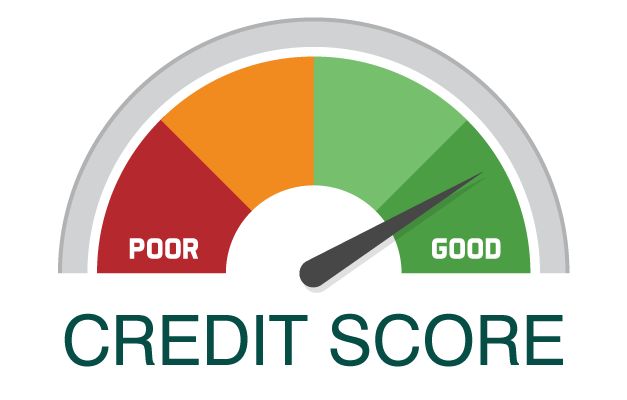
Review Your Credit Score
A healthy credit profile may improve approval chances.
Compare Multiple Lenders
Different lenders may offer different interest rates and loan terms.
Understand All Costs
Homeownership involves more than just EMIs.
You may also have :
- Maintenance expenses
- Property taxes
- Insurance costs
- Registration charges
Keep an Emergency Fund
Unexpected situations can happen, so having emergency savings is important.
Common Mistakes Beginners Make
In my opinion, one of the biggest mistakes beginners make is choosing a home based only on the maximum loan amount they qualify for.
Some other common mistakes include :
- Ignoring additional property expenses
- Not comparing lenders
- Taking a larger loan than necessary
- Overlooking emergency savings
- Focusing only on EMI affordability
A home loan should support your financial future, not create unnecessary stress.
Is a Home Loan Right for Everyone ?
Not necessarily.
A home loan can be a great option for people who :
- Have stable income
- Plan to stay in one location for a long period
- Are financially prepared for long-term repayments
However, everyone’s financial situation is different, so it’s important to evaluate your goals carefully.

Conclusion
A home loan is one of the most significant financial commitments a person can make. It allows individuals and families to purchase a home without paying the full amount upfront and provides a structured way to repay the cost over time.
While home loans can help turn the dream of homeownership into reality, they should be approached with careful planning and realistic expectations. Understanding concepts such as EMIs, down payments, repayment obligations, and affordability can help beginners make smarter decisions.
Remember, the goal is not just to buy a house—it’s to buy a home that fits comfortably within your financial future.