
Hi, I’m Kushal from India.
When I first started learning about investing, I thought investing was only for people who had lakhs of rupees sitting in their bank accounts. Whenever I heard people talking about the stock market, mutual funds, and investments, I assumed that ordinary people with small savings couldn’t participate.
Then I came across a term that completely changed my understanding of investing:

SIP.
At first, SIP sounded complicated because almost everyone around me used the term without explaining what it actually meant. Some people said it was the safest investment, while others treated it like a magic formula for becoming rich.
The truth lies somewhere in between.
After spending time learning about SIPs, I realized that they are not magic, but they can be one of the simplest ways for beginners to start their investment journey.
If you’ve heard about SIP but never fully understood it, don’t worry. This guide explains everything in simple language with practical examples.
What Is SIP?

SIP stands for Systematic Investment Plan.
It is a method of investing a fixed amount of money regularly into mutual funds.
Instead of investing a large amount all at once, you invest smaller amounts at regular intervals.
For example:
- $50 every month
- $100 every month
- $200 every month
- $500 every month
The investment continues automatically according to the schedule you choose.
In simple words:
SIP allows you to invest small amounts regularly instead of waiting until you have a large amount of money.
A Simple Real-Life Example
Imagine you decide to save $1.05 every day in a jar.
At first, the amount looks small.
After one month, the jar starts filling up.
After one year, the amount becomes surprisingly large.
SIP works in a similar way.
The power does not come from one big investment.
The power comes from consistency over time.
This was one of the biggest lessons I learned while studying personal finance.
Why Was SIP Created?
When I first learned about investing, one problem became obvious.
Many people wanted to invest but faced two challenges:
- They didn’t have large amounts of money available.
- They didn’t know the right time to invest.
SIP solves both problems.
You can start with relatively small amounts and invest regularly without trying to predict market movements.
How Does SIP Work?

The process is actually very simple.
Step 1: Choose an Amount
You decide how much you want to invest every month.
Example:
$20 per month.
Step 2: Select the Investment Frequency
Most people choose monthly investments.
Some investors choose weekly or quarterly investments.
Step 3: Automatic Investment Begins
The amount gets invested automatically according to your schedule.
Step 4: Continue Investing Consistently
This is where SIP becomes powerful.
Regular investing over long periods can create significant results.
The Biggest Misunderstanding About SIP
One thing that confused me initially was thinking that SIP itself was an investment product.
Actually:
SIP is not an investment product.
It is simply a method of investing.
Think of it like this:
- Mutual Fund = Vehicle
- SIP = Way of entering the vehicle
Understanding this difference makes SIP much easier to understand.
Why Beginners Like SIP
There are several reasons why SIP has become popular among new investors.
1. Small Starting Amount
One of the biggest advantages is accessibility.
Many beginners believe investing requires huge capital.
SIP proves that assumption wrong.
Small regular investments can still build wealth over time.
2. Creates Investing Discipline
This may be SIP’s biggest strength.
Because investments happen automatically, you develop consistency without needing motivation every month.
3. Removes Market Timing Pressure
When I first heard about investing, I constantly wondered:
- Is this the right time to invest?
- Should I wait?
- Will markets fall tomorrow?
SIP reduces this stress because investing continues regardless of market conditions.
4. Beginner Friendly
You don’t need advanced market knowledge to understand the basic concept of SIP.
This makes it an attractive starting point for new investors.
A Real-Life Example
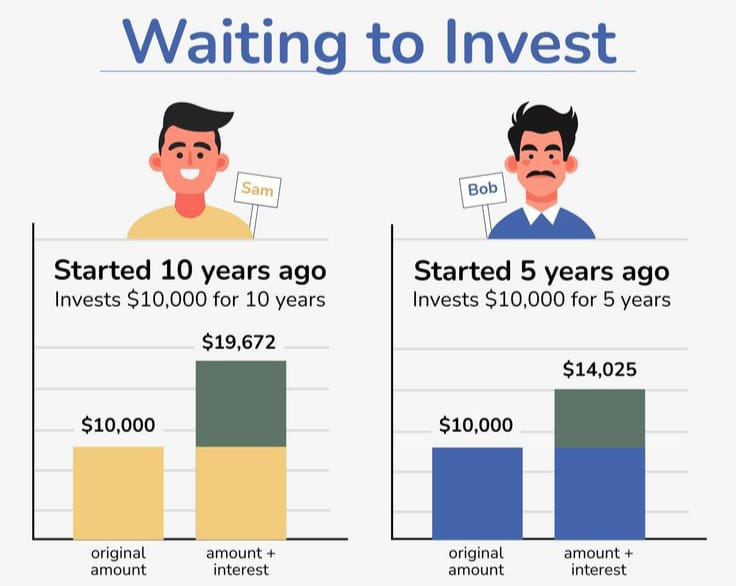
Imagine two friends.
Rahul
Rahul waits for the perfect time to start investing.
He spends years waiting for markets to become “safe.”
Aman
Aman starts investing ₹3,000 every month through SIP and continues consistently.
Years later, Aman may have benefited from simply getting started and staying disciplined.
This example taught me an important lesson:
Consistency often beats perfection in investing.
What Is Rupee Cost Averaging?
This was one of the concepts that sounded complicated but turned out to be simple.
When prices are high:
Your SIP buys fewer units.
When prices are low:
Your SIP buys more units.
Over time, this helps average out your purchase cost.
Many investors appreciate this feature because it removes the pressure of trying to find the perfect entry point.
The Power of Compounding

If SIP has a best friend, it is compounding.
Compounding means your returns can start generating additional returns over time.
The longer money stays invested, the more opportunity compounding has to work.
This is one reason many investors prefer starting early rather than waiting.
What I Learned About Compounding
When I first saw examples of compounding, I was surprised by how powerful time can be.
A person investing consistently for twenty years may see very different results compared to someone who waits ten years before starting.
The lesson wasn’t about investing huge amounts.
The lesson was about giving investments enough time to grow.
Can SIP Guarantee Returns?
No.
This is extremely important to understand.
SIPs do not guarantee profits or fixed returns.
The value of investments can go up or down depending on market performance.
Understanding risk is a necessary part of investing.
Common Mistakes Beginners Make

In my opinion, these are some of the biggest SIP mistakes beginners make.
Expecting Quick Profits
SIPs are generally viewed as long-term investments.
Expecting instant results often leads to disappointment.
Stopping During Market Declines
Many beginners panic when markets fall.
Ironically, lower prices often mean future SIP installments buy more units.
Investing Without Goals
Before investing, ask yourself:
- Why am I investing?
- What is the goal?
- When will I need the money?
Goals matter.
Copying Others
A strategy that works for one person may not suit another person’s income, goals, or risk tolerance.
Who Should Consider SIP?
SIPs may be suitable for people who:
- Earn regular income.
- Want disciplined investing habits.
- Prefer gradual investing.
- Have long-term goals.
- Are beginners in investing.
Is SIP Better Than Saving Accounts or FDs?
This is one of the most common questions beginners ask.
The answer depends on your goal.
Savings accounts focus on liquidity.
FDs focus on stability and predictable returns.
SIPs focus more on long-term growth potential while involving market risk.
Many people use all three for different financial purposes.
What Happens If You Miss a SIP Payment?
This was another question I had when learning about SIPs.
In many cases, missing one installment does not end your investment journey.
However, regular contributions are usually important because consistency is one of SIP’s biggest strengths.
My Personal View on SIP
The biggest thing SIP taught me is that investing doesn’t have to be complicated.
You don’t need to predict markets.
You don’t need huge amounts of money.
You don’t need to become a stock market expert overnight.
Sometimes, simply starting small and staying consistent can be more powerful than waiting for the perfect moment.

Final Thoughts
SIP has helped make investing more accessible for ordinary people by allowing them to invest gradually and consistently.
While SIPs do not guarantee profits and markets always involve risk, they can be an excellent tool for long-term financial planning when used responsibly.
For beginners in 2026, the most important lesson may not be finding the perfect investment.
It may simply be learning the habit of investing regularly and giving time a chance to work in your favor.
Because in the world of investing, time and consistency are often more powerful than trying to be perfect.