
Hi, I’m Kushal from India.
When I first opened my bank account, I received a debit card and thought it was all I would ever need. A few years later, I started hearing people talk about credit cards, cashback rewards, credit scores, and online offers. At that time, I honestly thought debit cards and credit cards were basically the same thing.
After learning more about personal finance, I realized that while both cards may look similar, they work in completely different ways.
If you’re a beginner and often get confused between credit cards and debit cards, don’t worry. In this guide, I’ll explain the differences in simple language with real-life examples so that anyone can understand.
Why Do People Get Confused ?
It’s easy to understand why beginners get confused.
Both cards can be used for:
- Online shopping
- Paying bills
- ATM withdrawals
- Store purchases
- Contactless payments
Because they look similar and are used in similar places, many people assume they work the same way.
However, the source of the money is completely different.
What Is a Debit Card ?
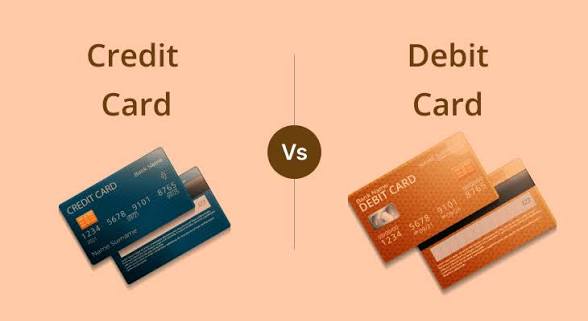
A debit card is directly connected to your bank account.
Whenever you make a purchase using a debit card, the money is immediately deducted from your account balance.
In simple words:
With a debit card, you spend your own money.
Example
Suppose your savings account has $200.
You buy a smartphone worth $100 using your debit card.
The amount is deducted from your bank account immediately, leaving you with $100.
No borrowing is involved.
What Is a Credit Card ?
A credit card works differently.
Instead of using your own money, you temporarily borrow money from the card issuer.
You then repay the amount later according to the billing cycle.
In simple words:
With a credit card, you spend borrowed money and repay it later.
Example
Imagine you purchase a laptop worth $3000 using a credit card.
The bank initially pays the merchant.
You later receive a statement and repay the amount before the due date.
The Biggest Difference
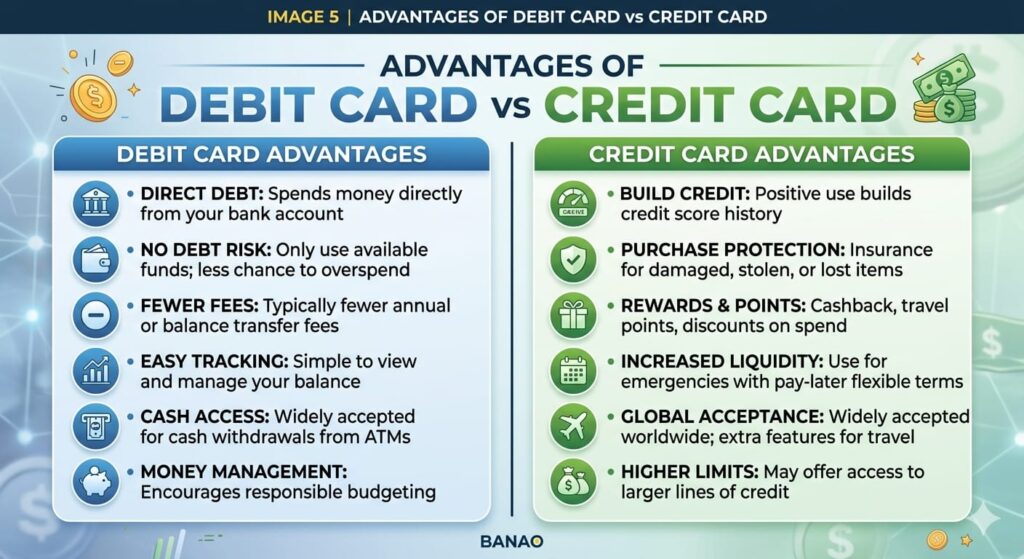
If I had to explain the difference in one sentence, I would say:
Debit Card = Your Money
Credit Card = Borrowed Money
This is the easiest way for beginners to remember it.
What I Learned About These Cards
When I started learning about personal finance, I thought a credit card automatically made someone wealthier because it allowed larger purchases.
Later, I realized that’s not true.
A credit card doesn’t increase your income—it simply gives temporary access to borrowed funds.
A debit card, on the other hand, helps you spend only the money you actually have.
This lesson completely changed how I viewed both cards.
Key Differences Between Credit Cards and Debit Cards
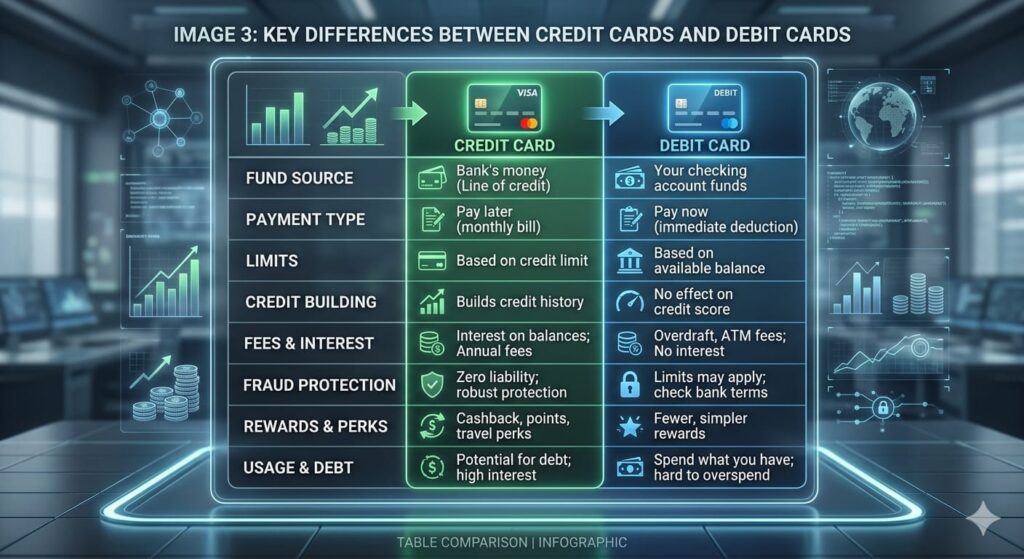
- Source of Funds
Debit Card
Money comes directly from your bank account.
Credit Card
Money is borrowed from the card issuer. - Spending Limit
Debit Card
Your spending is limited by your account balance.
Credit Card
Your spending is limited by your approved credit limit. - Impact on Credit Score
Debit Card
Usually does not affect your credit score.
Credit Card
Responsible use may help build credit history. - Monthly Bill
Debit Card
No monthly repayment bill.
Credit Card
You receive a statement and need to repay the amount used. - Rewards and Cashback
Debit Card
May offer some benefits depending on the bank.
Credit Card
Often provides cashback, reward points, travel benefits, and other perks.
Real-Life Scenario
Let’s imagine two friends, Rahul and Aman.
Rahul uses a debit card.
If he has $150 in his bank account, he cannot spend $200 because the money isn’t available.
Aman uses a credit card with a credit limit of $500.
He can purchase an item worth $200 immediately and repay the amount later.
This flexibility can be useful, but it also requires discipline.
Advantages of a Debit Card
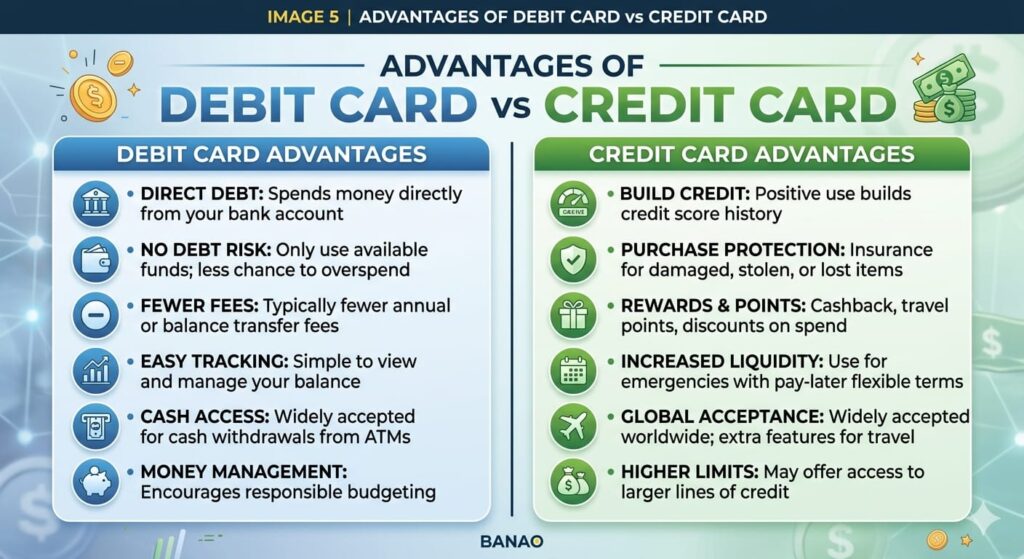
Debit cards offer several benefits.
Helps Control Spending
You can only spend available funds.
No Debt Risk
Since you’re using your own money, there is no borrowing involved.
Easy to Understand
Perfect for beginners.
Instant Transactions
Money is deducted immediately.
Advantages of a Credit Card
Credit cards also have advantages when used responsibly.
Builds Credit History
Regular payments may contribute to a healthy credit profile.
Emergency Flexibility
Useful when unexpected expenses arise.
Rewards and Cashback
Many cards offer benefits for spending.
Purchase Protection
Some cards provide additional security features.
Which Card Is Better for Beginners?

This is one of the most common questions people ask.
The answer depends on your financial habits.
A Debit Card May Be Better If:
- You’re new to managing money
- You want to avoid debt
- You prefer spending only available funds
- You’re learning budgeting basics
A Credit Card May Be Better If:
- You understand responsible borrowing
- You can pay bills on time
- You want to build credit history
- You want access to rewards and benefits
Common Mistakes Beginners Make
In my opinion, these are the most common mistakes.
Thinking Credit Cards Are Free Money
Every purchase eventually needs repayment.
Missing Payment Due Dates
Late payments can create financial problems.
Spending Beyond Budget
A high credit limit does not mean unlimited affordability.
Ignoring Statements
Reviewing transactions regularly is important.
Depending Entirely on Credit
Borrowing should be used responsibly.
My Personal Advice for Beginners
If you’re completely new to personal finance, start by learning how to manage a debit card and a bank account properly.
Once you’re comfortable budgeting, tracking expenses, and making payments on time, you can explore credit cards responsibly.
The goal should not be to own more cards.
The goal should be to manage money wisely.
Conclusion
Although credit cards and debit cards may look similar, they serve different purposes.
A debit card allows you to spend your own money directly from your bank account, while a credit card allows you to borrow money and repay it later.
Neither card is automatically better than the other. The right choice depends on your financial habits, goals, and level of responsibility.
For beginners in 2026, understanding this difference is an important step toward making smarter financial decisions and avoiding unnecessary financial mistakes.