
Hi, I am Kushal from India.
When I first started learning about personal finance, I often heard people talking about credit scores. Some said a good credit score helps you get loans easily, while others said a poor score can create financial problems. At first, I didn’t pay much attention to it because I thought credit scores only mattered when applying for a loan.
If you’re a beginner and want to understand how to improve your credit score, this guide will explain everything in simple language.
What Is a Credit Score ?

A credit score is a three-digit number that reflects your creditworthiness. It helps banks and lenders understand how responsibly you manage borrowed money.
Your credit score is usually based on factors such as :
- Payment history
- Credit card usage
- Loan repayment behavior
- Credit history length
- New credit applications
In simple words, a higher credit score generally indicates that you are a responsible borrower.
Why Is a Good Credit Score Important ?
A good credit score can make your financial life easier.
Many lenders use credit scores when evaluating loan and credit card applications.
- A strong credit score may help you
- Get loans approved more easily
- Qualify for better interest rates
- Receive higher credit limits
- Improve your chances of credit card approval
- Build financial credibility:
This is why maintaining a healthy credit score is important.
What is the Ideal CIBIL Score ?
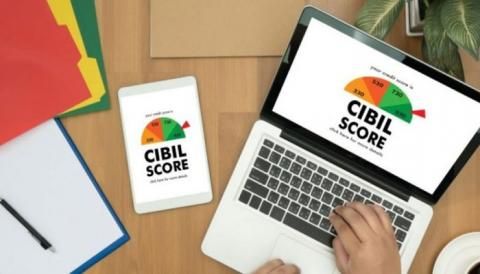
The CIBIL score ranges between 300 and 900, and a score above 700 is generally considered good.
Here is a simple breakdown of what each CIBIL score range means :
- Excellent (750 and above): This range indicates a high creditworthiness and increases the chances of getting credit easily with favourable terms.
- Good (700-749): Falling within this range demonstrates good credit management skills and increases the probability of credit approval.
- Fair (650-699): A score in this range suggests a satisfactory credit history; however, it may require some improvement to access credit at favourable terms.
- Average (550-649): Individuals with scores falling in this range might face difficulties in getting credit approvals. Lenders may charge higher interest rates or ask for collateral as security.
- Poor (less than 550): This range signifies a higher credit risk, making it challenging to obtain credit facilities. Improving the credit score is crucial for accessing credit in the future.
A high credit score indicates that you manage credit responsibly and make timely payments. To begin improving your score, you can check your free CIBIL score on the website of any credit bureau. It can be from TransUnion CIBIL, Experian, Equifax, or CRIF High Mark. You can also access free CIBIL score checks through various financial institutions and trusted lenders.
What I Learned About Credit Scores
While learning about credit scores, I realized that many people focus only on earning more money but ignore their financial habits.
A person may have a good income but still have a poor credit score if they frequently miss payments or misuse credit cards.
I learned that improving a credit score is not about making one big change. Instead, it’s usually the result of several small financial habits practiced consistently over time.
1. Pay Your Bills on Time

One of the most important factors affecting your credit score is your payment history.
Whenever you have :
- Credit card bills
- Loan EMIs
- Other credit obligations
Try to pay them on or before the due date.
Late payments may negatively affect your credit profile.
Simple Example :- Rahul always pays his credit card bill before the due date.
Aman regularly forgets and pays late.
Over time, Rahul’s payment history is likely to look much stronger than Aman’s.
This shows why timely payments matter.
2. Keep Your Credit Card Usage Low
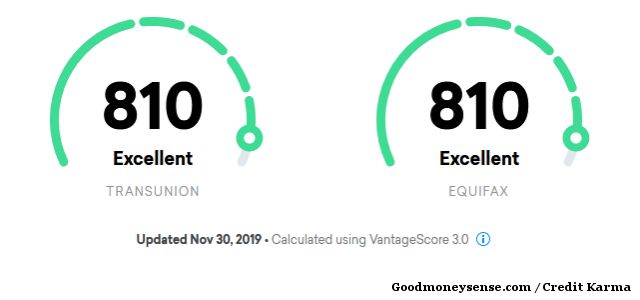
Many beginners think using their entire credit card limit is normal.
However, high credit utilization can sometimes be viewed negatively by lenders.
For example:
If your credit card limit is $1,000 constantly using $900 or $920 may not be ideal.
Using only a reasonable portion of your available credit is generally considered healthier.
3. Avoid Missing Loan EMIs
Loan repayments play a major role in your credit history.
Missing EMIs can affect your financial reputation.
If possible:
- Set reminders
- Enable auto-payments
- Track payment due dates
Small actions like these can help maintain a positive repayment history.
4. Check Your Credit Report Regularly
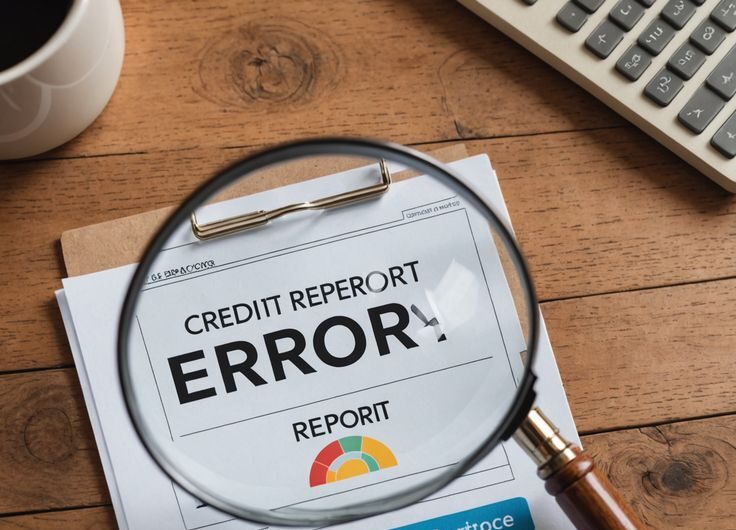
Many people never check their credit report.
This can be a mistake because errors sometimes occur.
By reviewing your credit report, you can:
- Identify incorrect information
- Detect suspicious activity
- Monitor your financial progress
Regular monitoring helps you stay informed about your credit health.
5. Avoid Applying for Too Many Loans
Every loan application may be reviewed by lenders.
Applying for multiple loans or credit cards within a short period can make you appear financially desperate.
Instead of applying everywhere, research your options carefully before submitting applications.
6. Keep Old Credit Accounts Active
The length of your credit history can also influence your credit profile.
Older accounts often help demonstrate a longer borrowing history.
Closing your oldest credit accounts without a good reason may not always be beneficial.
However, financial decisions should always be based on your personal circumstances.
7. Use Credit Responsibly
Credit cards and loans can be useful financial tools when used wisely.
Responsible credit usage includes :
- Borrowing only when necessary
- Paying bills on time
- Avoiding excessive debt
- Managing finances carefully
Good financial habits often contribute to a stronger credit profile.
Common Mistakes Beginners Make
In my opinion, one of the biggest mistakes beginners make is assuming that credit scores improve automatically.
Some common mistakes include :
- Missing payment deadlines
- Using too much credit
- Ignoring credit reports
- Applying for multiple loans at once
- Taking on more debt than they can handle
Avoiding these mistakes can help you build a healthier financial profile.
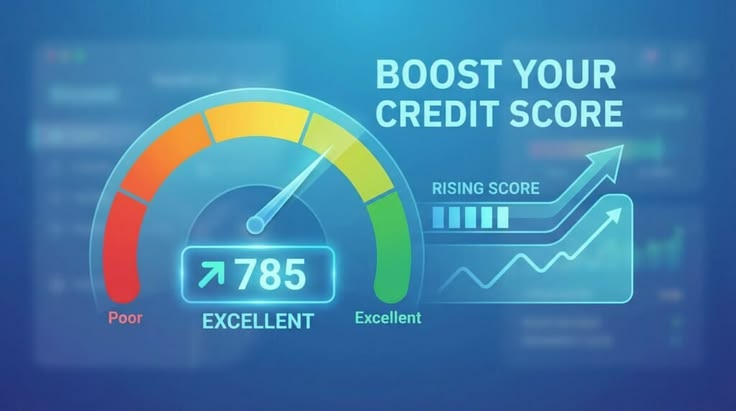
How Long Does It Take to Improve a Credit Score ?
One question beginners often ask is :
“How quickly can I improve my credit score?”
The answer depends on your situation.
Improving a credit score usually takes time and consistency.
There is no instant solution.
However, by practicing responsible financial habits regularly, many people gradually improve their credit profile over time.
Patience is important.
Tips for Beginners
If you are just starting your financial journey, consider these simple tips:
Start Small
You don’t need multiple credit cards or loans.
Pay Every Bill on Time
Consistency matters.
Monitor Your Financial Activity
Stay aware of your borrowing habits.
Avoid Unnecessary Debt
Borrow only when needed.
Focus on Long-Term Habits
Good credit scores are often built over years, not days.
Ways to Improve Your Credit Score Before Applying for a Loan
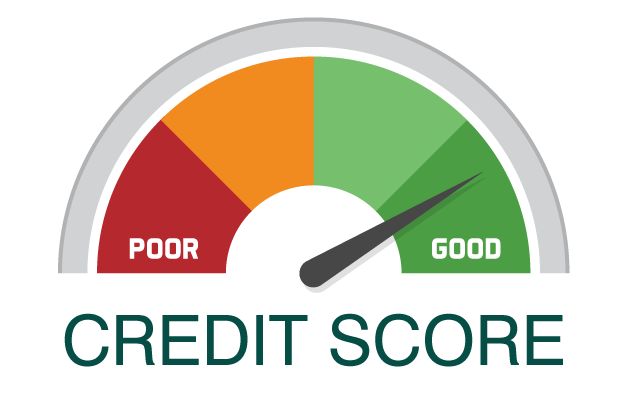
- Check Your Latest Credit Report
- Pay All Outstanding Dues Immediately
- Lower Your Credit Utilisation Ratio
- Pay Every Bill Before the Due Date
- Avoid New Credit Applications
- Don’t Close Old Credit Accounts
- Pay More Than the Minimum Amount Due
Conclusion
Improving your credit score is not about finding shortcuts or quick fixes. It is about developing responsible financial habits and maintaining them consistently over time.
By paying bills on time, managing credit wisely, monitoring your credit report, and avoiding unnecessary debt, you can gradually build a stronger credit profile.
For beginners, the most important thing to remember is that every positive financial decision matters. Small habits practiced consistently today can help create a healthier financial future tomorrow.
Pingback: What Is a Credit Report ? A Beginner's Guide - Fin Care Guide
yes