
Hi, I am Kushal from India.
When I got interested in personal finance, one of the most confusing topics for me was credit cards. Some people said credit cards are dangerous because they can lead to debt, while others said they are useful for building a good credit score and earning rewards.
The truth is that a credit card is simply a financial tool. If used responsibly, it can be very helpful. If used carelessly, it can create financial problems.
Many beginners ask, “Which is the best credit card?” However, after learning more about credit cards, I realized that there is no single card that is perfect for everyone. The best credit card depends on your spending habits, income, and financial goals.
In this guide, I’ll explain what beginners should look for in a credit card and the features that make a credit card beginner-friendly.
Why Do Beginners Choose Credit Cards?
Most people start with a credit card for one of these reasons :
- Building a credit history
- Improving their credit score
- Online shopping
- Emergency expenses
- Cashback and rewards
- Convenience and security
For beginners, a credit card can be a good financial learning tool when used responsibly.
What Makes a Credit Card Beginner-Friendly?
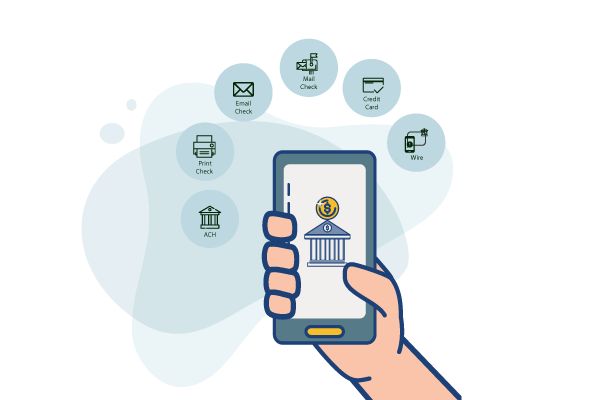
When I first started learning about credit cards, I thought the card with the biggest rewards was automatically the best.
However, I later realized that beginners should focus on simplicity rather than fancy features.
A beginner-friendly credit card usually offers:
Low or No Annual Fee
Many beginners don’t want to pay high yearly fees.
Easy Approval Process
Some cards are designed specifically for first-time credit card users.
Simple Reward Structure
Complicated reward systems can be confusing.
Mobile App Support
Managing payments becomes easier through mobile banking apps.
Security Features
Fraud protection and spending alerts are important.
What I Learned About Credit Cards
One lesson I learned early is that a credit card is not free money.
Many people mistakenly think a credit card increases their income
In reality, every purchase made using a credit card eventually needs to be repaid.
The people who benefit most from credit cards are usually those who:
- Pay bills on time
- Avoid unnecessary spending
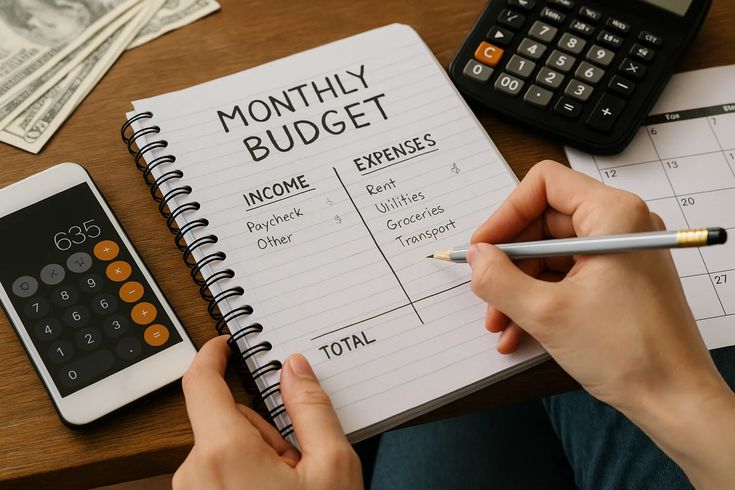
- Stay within their budget
That’s why I believe financial discipline is more important than finding the “perfect” credit card.
Features to Look for in a Beginner Credit Card
Instead of focusing only on brand names, beginners should understand the features that matter.
1. Low Annual Fees
A card with low or zero annual fees can be easier to manage.
Especially for first-time users, paying a high annual fee may not make sense.
2. Cashback Rewards
Many beginner-friendly cards offer cashback on purchases.
For example:-
- Grocery shopping
- Online purchases
- Utility bill payments
- Fuel spending
Cashback rewards are usually easier to understand than complicated reward programs.
3. Easy Mobile Banking
A good banking app can help you :
- Check transactions
- Pay bills
- Monitor spending
- Set payment reminders
These features help beginners avoid mistakes.
4. Spending Alerts
Real-time spending notifications can help track expenses.
This makes it easier to stay within budget.
5. Good Customer Support
As a beginner, you may have questions about :
- Billing cycles
- Payment dates
- Rewards
- Charges
Reliable customer support can be very helpful.
How Credit Cards Help Build Credit History
One reason many beginners apply for a credit card is to build a credit profile.
When used responsibly, a credit card can demonstrate that you:
- Pay bills on time
- Manage credit responsibly
- Handle borrowing wisely
Over time, this may contribute to a stronger credit history.
A Real-Life Example
Let’s imagine two friends.
Rahul gets his first credit card and uses it carefully. He only spends money he can afford to repay and pays every bill before the due date.
Rohit also gets a credit card, but he often spends more than he can afford and occasionally misses payments.
After a year, Rahul has developed responsible financial habits, while Rohit may face unnecessary financial stress.
This example taught me that success with credit cards is usually determined by habits, not the card itself.
Common Mistakes Beginners Make

In my opinion, these are some of the most common credit card mistakes.
Paying Only the Minimum Amount
Many beginners think this clears their debt.
However, unpaid balances may continue to accumulate charges.
Missing Payment Due Dates
Late payments can affect your financial reputation.
Overspending
A credit limit is not a spending target.
Applying for Multiple Cards
Getting too many credit cards at once can make financial management more difficult.
Ignoring Statements
Regularly reviewing statements helps identify mistakes and unauthorized transactions.
Tips for First-Time Credit Card Users
If you’re getting your first credit card, these tips may help.
Treat It Like a Debit Card
Only spend money you already have.
Pay the Full Bill
Whenever possible, pay the entire outstanding balance.
Track Your Spending
Monitor purchases regularly.
Keep Credit Usage Reasonable
Avoid constantly using your entire credit limit
Learn Before You Spend
Understanding how your card works can prevent expensive mistakes.
Are Credit Cards Safe?
Credit cards can be very safe when used correctly.
Most banks provide :
- Fraud monitoring
- Transaction alerts
- Security verification
- Card blocking features
However, users should also protect their information and avoid sharing card details with unknown sources.
So, Which Credit Card Is Best for Beginners in 2026?
Instead of searching for the single “best” credit card, beginners should look for a card that offers :
✅ Low fees
✅ Easy approval
✅ Simple cashback rewards
✅ Strong security features
✅ Good mobile banking support
✅ Easy-to-understand benefits
A card that helps you build responsible financial habits is often better than a card filled with complicated rewards and premium features.
Final Thoughts
A credit card can be a useful financial tool for beginners when used responsibly. It can help build credit history, improve financial flexibility, and provide useful rewards.
However, the most important factor is not which card you choose—it’s how you use it.
From my experience learning about personal finance, I’ve realized that people who pay on time, stay within their budget, and manage credit responsibly often benefit the most from credit cards.
For beginners in 2026, focus on learning good financial habits first. The right credit card can support those habits, but it cannot replace them.