
Hi, I’m Kushal from India.

A few years ago, I used to wonder why saving money felt so difficult. At the beginning of every month, I would tell myself, “This month I’ll definitely save some money.” But somehow, by the end of the month, there was very little left to save.
The surprising part was that I wasn’t making huge purchases. It was usually the small things—online food orders, unnecessary subscriptions, impulse shopping, and random expenses that didn’t seem important at the time.
That’s when I realized something important:
Saving money isn’t only about earning more. It’s also about managing what you already earn.
If you’re a beginner and want to build a saving habit, this guide will help you understand how to save money every month in simple and practical ways.
Why Is Saving Money Important?
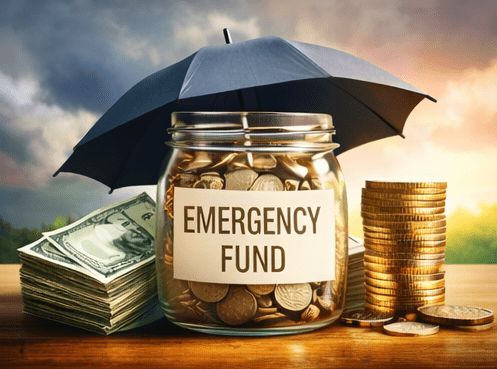
Many people think saving money is only for emergencies or old age.
But savings can help with many goals, such as:
- Building an emergency fund
- Buying a car
- Traveling
- Higher education
- Buying a house
- Starting a business
- Financial security
Savings give you options and reduce financial stress.
The Biggest Mistake Beginners Make
In my opinion, one of the biggest mistakes beginners make is waiting to save whatever is left at the end of the month.
Unfortunately, for most people, very little remains.
The better approach is:
Save First, Spend Later.
This small change can completely transform your finances.
What I Learned About Saving Money
When I first started learning about personal finance, I believed saving required a high salary.
Later, I realized that many people with average incomes save successfully because they prioritize saving before spending.
Meanwhile, some high earners struggle to save because their spending increases with their income.
This taught me that saving is often more about habits than income.
Step 1: Know Where Your Money Goes
Before improving your savings, you need to understand your spending.
For one month, track every expense.
Examples:
- Rent
- Groceries
- Fuel
- Mobile recharge
- Streaming subscriptions
- Online shopping
- Food delivery
Many people are surprised when they see how much money disappears through small purchases.
Step 2: Set a Monthly Saving Goal
Saving becomes easier when you have a target.
For example:
- $20 every month
- $50 every month
- 10% of your salary
- 20% of your income
Even small amounts matter when saved consistently.
Step 3: Save Immediately After Receiving Income
This is one of the simplest but most effective tricks.
As soon as your salary arrives:
Move your savings amount to:
- Savings account
- RD
- Investment account
- Emergency fund
If you wait until the end of the month, there’s a good chance the money will be spent.
Step 4: Separate Needs and Wants
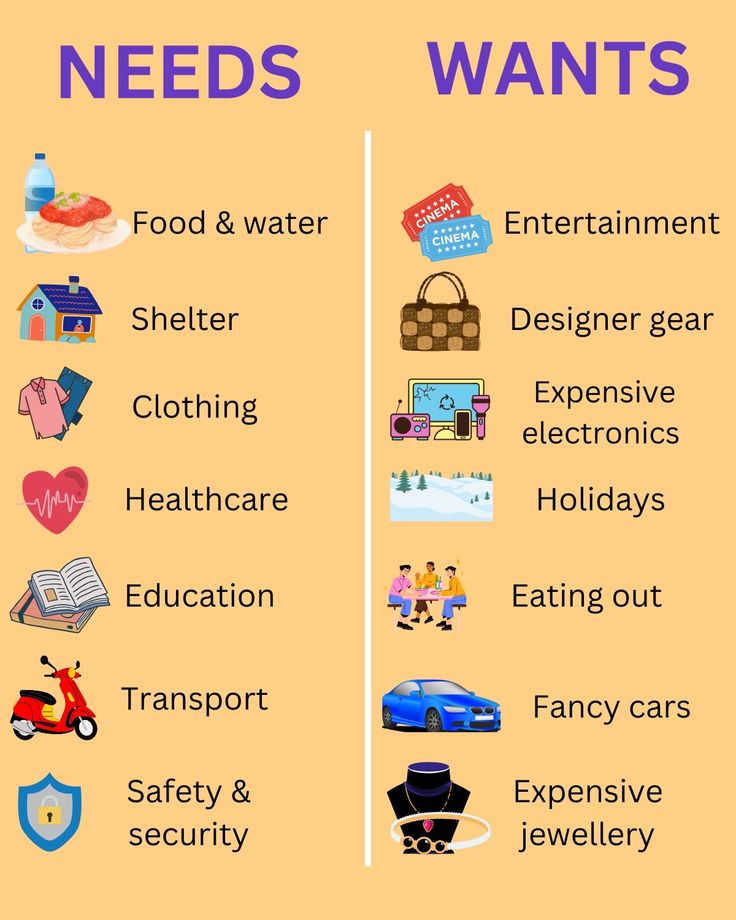
This step changed my spending habits more than anything else.
These are essential expenses:
- Rent
- Food
- Electricity
- Transportation
- Insurance
Wants
These are optional:
- Expensive coffee
- Extra online shopping
- Premium subscriptions
- Frequent dining out
Learning this difference makes saving much easier.
Step 5: Avoid Impulse Purchases

We’ve all experienced this.
You open an online shopping app to buy one item and end up buying three things you never planned to purchase.
One simple rule that helped me was:
The 24-Hour Rule
If the purchase isn’t urgent, wait 24 hours before buying it.
Many times, you’ll realize you don’t actually need it.
Step 6: Reduce Small Daily Expenses
Small expenses don’t feel important individually.
But over time they become surprisingly large.
For example:
- $1.5 coffee every day
- $3 food delivery twice a week
- Multiple unused subscriptions
Saving doesn’t always require major sacrifices.
Sometimes reducing small expenses is enough.
Step 7: Create a Monthly Budget
A budget helps your money stay organized.
Without a budget, money often disappears without explanation.
A simple budget may include:
- Housing
- Food
- Savings
- Transportation
- Entertainment
- Investments
Budgeting creates awareness, and awareness improves saving.
Step 8: Build an Emergency Fund
Unexpected situations happen:
- Medical expenses
- Vehicle repairs
- Job loss
- Family emergencies
Without emergency savings, many people rely on loans or credit cards.
An emergency fund acts as a financial safety net.
Step 9: Automate Your Savings
One of the easiest ways to save is to remove the need for decisions.
Automatic transfers can move money to savings every month.
This reduces the temptation to spend it.
Many successful savers automate their savings process.
Step 10: Increase Savings When Income Increases
A common mistake people make after receiving a salary increase is immediately increasing their spending.
Instead, try increasing your savings rate as well.
For example:
If your salary increases by $50
- Save $20
- Enjoy $30
This approach allows your savings to grow alongside your income.
A Real-Life Example
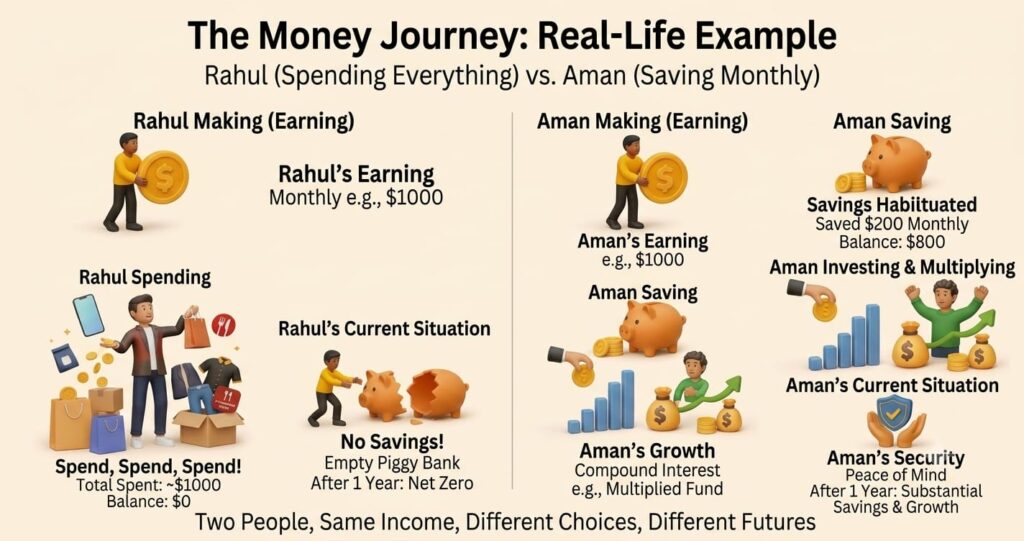
Imagine two friends.
Rahul
Salary: $500
Savings: $0
Rahul spends first and tries to save whatever remains.
Usually nothing remains.
Aman
Salary: $500
Savings: $50 every month automatically transferred on salary day.
After one year:
$50 × 12 = $600 saved.
The difference wasn’t income.
The difference was the system.
Common Saving Mistakes
Waiting for a Bigger Salary
Many people believe they’ll start saving once they earn more.
Unfortunately, spending often rises with income.
Setting Unrealistic Goals
Trying to save half your income immediately may not be sustainable.
Ignoring Small Expenses
Small purchases add up quickly,
Using Savings for Non-Essential Spending
Savings should have a purpose.
Comparing Yourself to Others
Everyone’s financial journey is different.
How Much Should You Save Every Month?
There isn’t one perfect number.
Some people save:
- 10% of income
- 20% of income
- 30% of income
The important thing is consistency.
Saving $20 every month for years is usually more powerful than saving $200 once and stopping.
My Personal View on Saving Money
The biggest lesson I learned was that saving money isn’t about being cheap or avoiding enjoyment.
It’s about creating choices for your future.
Savings can give you:
- Peace of mind
- Financial freedom
- Security during emergencies
- Opportunities in life
That makes saving feel less like a sacrifice and more like an investment in yourself.
Final Thoughts

Saving money every month isn’t about perfection.
You don’t need to stop enjoying life or give up everything you love.
The goal is simply to spend intentionally and save consistently.
For beginners in 2026, building a saving habit may be one of the most valuable financial skills you can develop.
Because financial success often starts with a simple habit:
Keeping a small part of what you earn instead of spending all of it.