
Hi, I’m Kushal from India.

When I first started learning about personal finance, I believed financial mistakes only happened to people who earned less money or made risky investments. But the more I learned, the more I realized something surprising:
Most financial mistakes happen because of a lack of knowledge, not a lack of income.
The truth is that almost everyone makes money mistakes in the beginning. Some mistakes are small and easy to fix, while others can affect your finances for years.
The good news is that many of these mistakes are avoidable once you know what to look out for.
In this guide, I’ll share some of the most common financial mistakes beginners make and what I learned while understanding them.
1. Spending Everything You Earn

In my opinion, this is probably the biggest financial mistake beginners make.
Many people develop a habit of spending their entire salary every month and waiting for the next paycheck to arrive.
At first, this may not feel like a problem.
But what happens if:
- Your phone suddenly breaks?
- Your bike needs repairs?
- You face a medical emergency?
- Your income stops temporarily?
Without savings, even small problems can become financial emergencies.
One of the best habits you can build is learning to keep a portion of your income aside every month.
2. Not Having an Emergency Fund
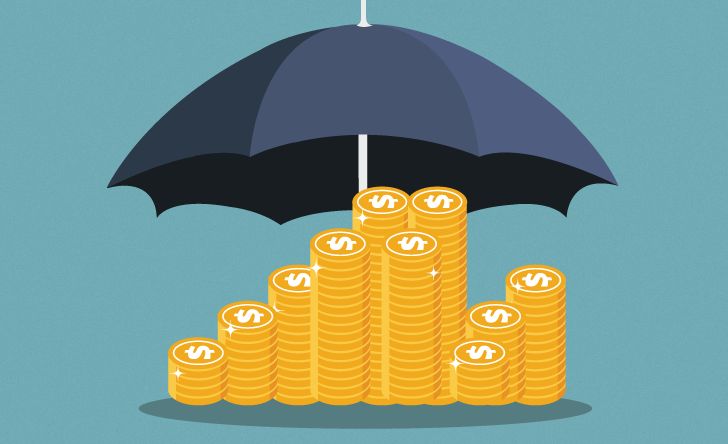
I used to think emergency funds were only for wealthy people.
Later, I realized emergency funds are actually more important for ordinary people.
Life is unpredictable.
Unexpected expenses can appear without warning:
- Medical bills
- Job loss
- Family emergencies
- Car repairs
- Home maintenance
An emergency fund acts like a financial safety cushion.
Even saving a small amount every month can make a huge difference over time.
3. Using Credit Cards Like Free Money
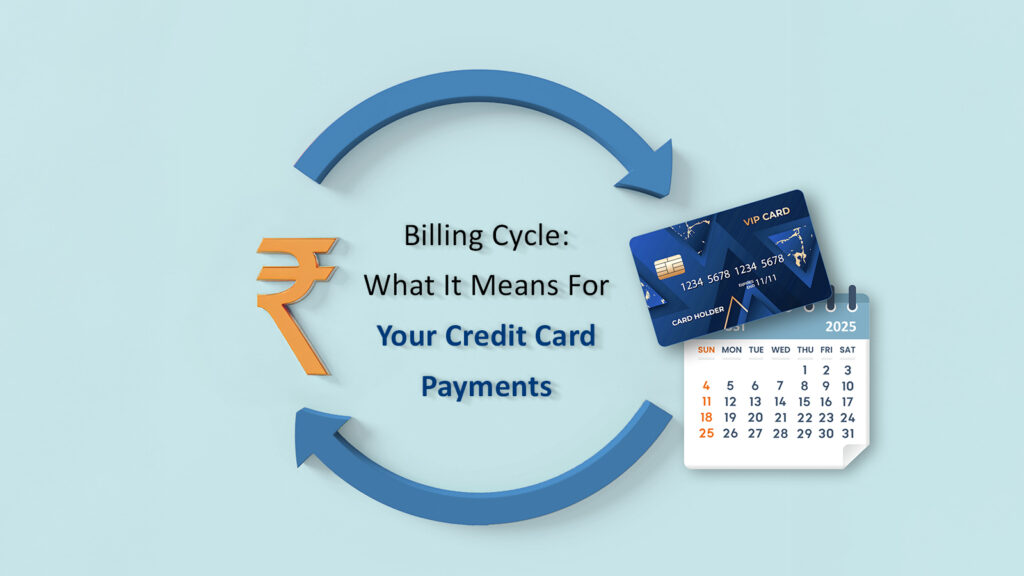
When beginners receive their first credit card, it can feel exciting.
Suddenly there is a spending limit available that may be much higher than the money in their bank account.
The mistake many people make is forgetting one simple fact:
Every credit card purchase eventually needs to be repaid.
A credit card is a financial tool, not extra income.
People who benefit most from credit cards are usually those who:
- Pay bills on time
- Stay within budget
- Avoid unnecessary debt
4. Ignoring a Monthly Budget
For a long time, I believed budgeting was only for accountants or people who loved spreadsheets.
I couldn’t have been more wrong.
A budget is simply a plan for your money.
Without a budget, money tends to disappear quietly through:
- Food delivery apps
- Small online purchases
- Unused subscriptions
- Impulse spending
You don’t need a complicated budgeting system.
Even a simple monthly plan can improve financial awareness.
5. Delaying Saving Until Income Increases
This is one of the most common excuses beginners give:
“I’ll start saving when I earn more money.”
The problem is that spending often grows alongside income.
Someone earning $300 may struggle to save.
Sometimes the same thing happens after their income becomes $500.
Learning to save with your current income often matters more than waiting for a higher salary.
6. Making Impulse Purchases

Online shopping has made spending easier than ever.
Sometimes we buy things because:
- They are on sale.
- A friend recommended them.
- Social media influenced us.
- The discount feels too good to ignore.
One rule that helped me was the 24-hour rule.
If the purchase isn’t urgent, wait 24 hours.
Many times the excitement disappears, and you realize you never needed the item.
7. Taking Loans for Lifestyle Purchases
Borrowing money for essential needs is one thing.
Borrowing money simply to maintain a lifestyle is another.
Some beginners take loans for:
- Expensive gadgets
- Luxury shopping
- Vacations
- Unnecessary upgrades
Debt becomes dangerous when it finances wants instead of needs.
8. Not Understanding Financial Products
When I first started learning about finance, I often saw terms like:
- Mutual Funds
- SIP
- FD
- RD
- Credit Score
- Insurance
Many beginners buy financial products simply because friends or relatives recommended them.
However, understanding a product before using it is extremely important.
Never invest in something you don’t understand.
9. Comparing Your Financial Journey With Others

Social media makes this mistake very common.
You may see people:
- Buying expensive cars.
- Traveling frequently.
- Purchasing luxury items.
- Investing large amounts.
What social media rarely shows is:
- Loans
- Debt
- Financial stress
- Sacrifices made behind the scene.
Personal finance is personal.
Your financial goals should match your own life, not someone else’s lifestyle.
10. Ignoring Insurance
Many beginners believe insurance is an unnecessary expense.
Unfortunately, this belief often changes after an emergency occurs.
Insurance exists to protect against large financial risks.
Some unexpected situations can cost far more than years of insurance premiums.
11. Not Checking Credit Score or Credit Report
Many people only think about their credit score when applying for a loan.
By then, fixing problems may take time.
Monitoring your credit profile regularly can help identify:
- Errors
- Fraud
- Payment issues
A healthy credit history can become valuable later in life.
12. Investing Without Clear Goals
Some beginners invest simply because everyone else is investing.
Before investing, ask yourself:
- Why am I investing?
- What is my goal?
- When will I need the money?
Goals often determine the right financial strategy.
13. Expecting Quick Results
This may be one of the biggest mindset mistakes in personal finance.
Many beginners expect:
- Instant wealth from investing.
- Fast returns from markets.
- Quick financial freedom.
In reality, most successful financial journeys are built slowly over many years.
Patience often matters more than perfection.
14. Depending on a Single Source of Income
One lesson I keep seeing repeatedly is this:
A single income source can create risk.
This doesn’t mean everyone needs multiple businesses or side hustles immediately.
However, learning new skills and creating additional opportunities can improve financial security over time.
15. Avoiding Financial Education
Perhaps the biggest mistake of all is believing financial knowledge isn’t important.
Schools teach many subjects, but many people enter adulthood without learning:
- Budgeting
- Saving
- Investing
- Credit management
- Insurance
Learning even basic financial concepts can improve decisions for decades.
A Real-Life Example
Imagine two friends who start earning $400 per month.
Rahul:
- Spends his full salary.
- Uses credit cards carelessly.
- Doesn’t save.
- Doesn’t budget.
Aman:
- Saves a small amount every month.
- Tracks expenses.
- Uses credit responsibly.
- Builds an emergency fund.
Five years later, their incomes may be similar, but their financial situations could look completely different.
The difference isn’t intelligence.
The difference is habits.
What I Learned From Studying Personal Finance
The biggest lesson I learned is that financial success usually doesn’t come from one perfect decision.
It comes from hundreds of small decisions repeated consistently:
- Saving regularly.
- Spending carefully.
- Avoiding unnecessary debt.
- Learning continuously.
Small habits often create big results over time.
Final Thoughts

Making financial mistakes as a beginner is normal.
Almost everyone makes them.
The important thing is learning from them early before they become expensive lessons.
You don’t need to become a finance expert overnight.
If you can learn how to budget, save regularly, avoid unnecessary debt, and continue improving your financial knowledge, you’re already moving in the right direction.
Because in personal finance, success is rarely about making one brilliant decision.
More often, it’s about avoiding common mistakes and staying consistent for many years.
Один из важных этапов — понять, как парсить базы для хрумера, чтобы получить качественные данные.
“I understand. Could you explain how to parse the databases effectively?”