
Hi, I’m Kushal from India.
Few years back, I had observed an interesting trend. The snacks I used to buy at the rate of $ 0.11 in schools, were sold for $ 0.21 or $ 0.26 A cup of tea which cost $ 0.053, was now available at $ 0.16 in most places and the prices of everything—be it cost of a kilogram of grocery or ticket to a theater—seems to be rising every year.
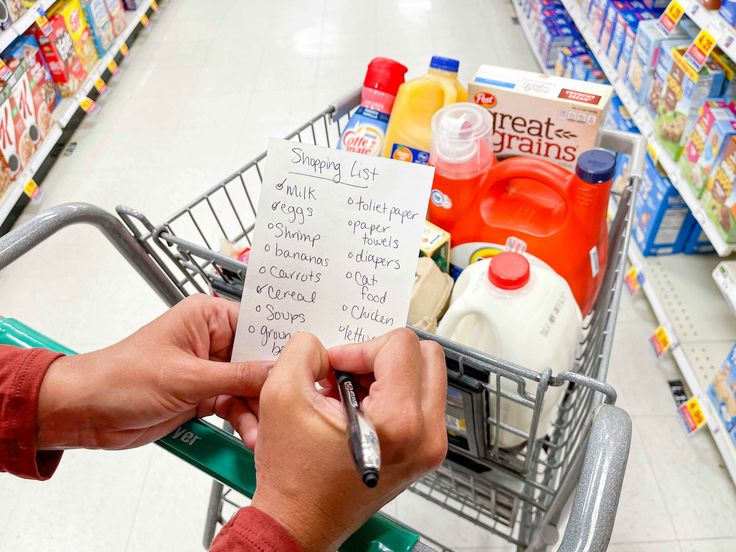
At first, I thought this was happening only because shops wanted to make more profit. Later, while learning about personal finance, I discovered there was a name for this phenomenon:
Inflation.
Once I understood inflation, I realized something important:
Saving money is important, but understanding inflation is equally important because inflation quietly reduces the value of your money over time.
If you’ve heard the word inflation on the news or in financial discussions but never fully understood it, this guide will explain it in simple language with real-life examples.
What Is Inflation?
Inflation is the gradual increase in the prices of goods and services over time.
In simple words:
When inflation rises, the same amount of money buys fewer things than before.
For example:
- A burger that cost $0.56 a few years ago may cost $0.86 today.
- A movie ticket that cost $1.26 may now cost $2.63.
- Groceries become more expensive over time.
This increase in prices is called inflation.
The Simplest Way to Understand Inflation
Imagine you have $1.05 today.
Today, $1.05 buys:
2 pizzas.
After several years of inflation, the price of pizza increases.
Now $1.05 may only buy:
1 pizza.
Your $1.05 did not become smaller.
But its purchasing power decreased.
That is inflation.
Why Does Inflation Happen?
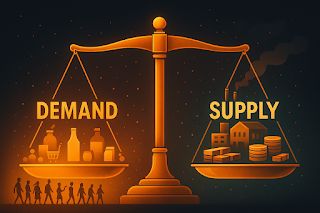
When I first learned about inflation, I assumed businesses simply increased prices whenever they wanted.
The reality is more complicated.
There are many reasons inflation happens.
1. Increased Demand
If more people want to buy a product than businesses can produce, prices often rise.
For example:
Imagine a concert with only 100 tickets available but 1,000 people want to attend.
Prices are likely to increase.
2. Rising Production Costs
If companies spend more money on:
- Raw materials
- Transportation
- Electricity
- Employee salaries
They may increase product prices to cover these costs.
3. Economic Growth
As economies grow, people often earn more money and spend more.
Higher demand can sometimes push prices upward.
4. Supply Problems
Events such as natural disasters, wars, or transportation disruptions can reduce supply and increase prices.
A Real-Life Example
Let’s imagine two friends in 2016.
Rahul saves $1000 in cash and keeps it at home.
Aman also saves $1000 but puts it into investments that grow over time.
Ten years later:
Rahul still has $1000.
Aman’s investments have grown.
Meanwhile, inflation has increased the prices of houses, food, education, and healthcare.
Although Rahul still owns the same amount of money, its purchasing power is much lower than before.
This example helped me understand why inflation matters so much.
How Inflation Affects Your Money

This was one of the biggest lessons I learned while studying personal finance.
Inflation affects almost every part of our financial life.
1. Savings Lose Purchasing Power
Many beginners believe that simply saving money is enough.
Saving is important, but inflation creates a challenge.
Suppose inflation averages 6% per year.
If your money grows slower than inflation, your purchasing power may gradually decrease.
2. Everyday Expenses Become More Expensive
You may notice rising prices in:
- Food
- Fuel
- Electricity
- Transportation
- Education
- Healthcare
This is often inflation at work.
3. Long-Term Goals Become More Expensive
Imagine you want to buy a house in ten years.
The house that costs $52522.55 today may cost significantly more in the future.
The same applies to:
- Education
- Weddings
- Retirement planning
Inflation changes the cost of future goals.
4. Salary Increases May Not Mean More Wealth
This idea surprised me when I first learned it.
Suppose:
Your salary increases by 5%.
But inflation rises by 7%.
Technically, you’re earning more money.
But because prices increased faster than your income, your financial position may not improve as much as expected.
Inflation and Purchasing Power

The most important concept related to inflation is purchasing power.
Purchasing power simply means:
How much goods and services your money can buy.
When inflation rises:
Purchasing power falls.
This is why economists often pay close attention to inflation rates.
What I Learned About Inflation
When I first understood inflation, my entire view of money changed.
Before that, I believed keeping money in a savings account was enough.
Later, I realized that money needs to grow over time to keep up with rising prices.
That doesn’t mean everyone should take high risks.
But understanding inflation helps people make smarter financial decisions.
Is Inflation Always Bad?
Interestingly, the answer is no.
A small amount of inflation is considered normal in growing economies.
Moderate inflation often happens when:
- Businesses grow.
- Employment increases.
- Consumer spending rises.
Problems usually occur when inflation becomes extremely high or unpredictable.
What Happens During High Inflation?
When inflation rises too quickly:
- Food becomes expensive.
- Housing costs increase.
- Transportation costs rise.
- Savings lose value faster.
This can make financial planning more difficult for families.
How Can You Protect Your Money From Inflation?
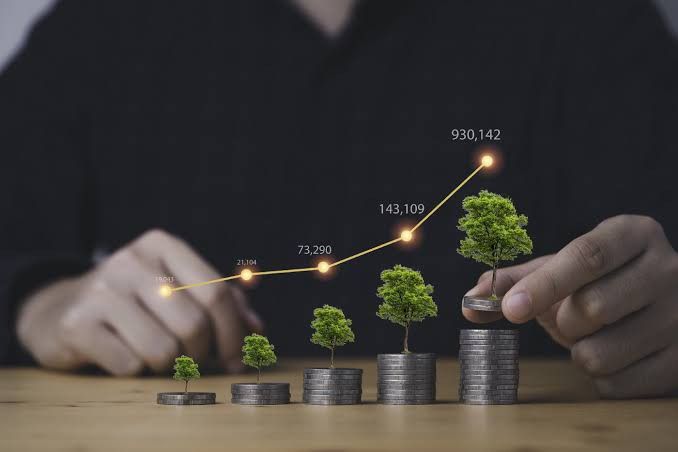
This was the question I became most interested in after learning about inflation.
There isn’t one perfect solution, but several strategies may help.
1. Continue Building Savings
Emergency savings are still important.
Unexpected expenses can happen regardless of inflation.
2. Invest for Long-Term Goals
Many people use investments to help their money grow over long periods.
Examples include:
- Mutual funds
- Stocks
- Retirement investments
Every investment involves risk, so learning before investing is important.
3. Improve Skills and Income
One of the best protections against inflation can be increasing your earning potential.
Learning new skills and improving your career opportunities can help incomes grow over time.
4. Avoid Unnecessary Debt
Debt becomes harder to manage when living costs increase.
Keeping finances healthy provides more flexibility.
5. Review Financial Goals Regularly
Goals created five years ago may need adjustment because future costs change.
Regular reviews help keep plans realistic.
Common Mistakes Beginners Make
In my opinion, these are some common mistakes people make regarding inflation:
Believing Cash Never Loses Value
– Cash keeps its number value but not always its purchasing power.
Ignoring Rising Costs
– Future goals often become more expensive over time.
Delaying Financial Planning
– The longer people wait, the harder catching up may become.
Assuming Salary Growth Solves Everything
– Income growth and inflation should be viewed together.
A Simple Way to Remember Inflation
If you only remember one thing from this article, remember this:
Inflation doesn’t usually take money from your wallet.
It reduces what your money can buy.
That single idea explains inflation better than many complicated definitions.
My Personal View on Inflation
Learning about inflation was one of the moments that completely changed the way I think about money.
It taught me that earning money is only one part of personal finance.
Protecting the value of that money over time is equally important.
That lesson made me pay more attention to saving, investing, and long-term planning.

Final Thoughts
Inflation may sound like a complicated economic term, but in reality, it’s something every person experiences almost every day.
Whenever prices rise and your money buys less than before, inflation is affecting your life.
For beginners in 2026, understanding inflation is one of the most valuable financial lessons you can learn because it changes the way you think about savings, investing, income, and future goals.
Because in the end, building wealth isn’t only about earning more money.
It’s also about making sure your money keeps its value as time moves forward.