
Hi, I’m Kushal from India.
A few years ago, I believed earning money always required working more hours. If I wanted more money, I thought the only solution was simple: work longer, work harder, or find another job.
Then I came across a term that changed the way I looked at money:

Passive Income.
At first, I thought passive income meant earning money while sleeping without doing anything. Social media often makes it sound that way.
But after learning more, I realized the reality is very different.
Passive income usually requires time, effort, skills, money, or patience in the beginning, but later it can continue generating income with less active involvement.
That doesn’t make it easy money.
But it can be smart money.
If you’ve heard about passive income but never fully understood what it means, this guide will explain everything in simple language with practical examples.
What Is Passive Income?
Passive income is money you continue earning even when you are not actively working for every rupee you receive.
In simple words:
You do the work once or invest resources once, and the income may continue for a long time afterward.
This is different from most jobs where income stops if you stop working.
A Simple Real-Life Example
Imagine two people.
Rahul
Rahul works 8 hours every day and receives a salary every month.
If Rahul stops working, his income eventually stops.
Aman
Aman creates an online course once.
Months later, people continue buying it.
Aman may still earn money from the course even when he isn’t actively working on it every day.
This is closer to passive income.
Active Income vs Passive Income
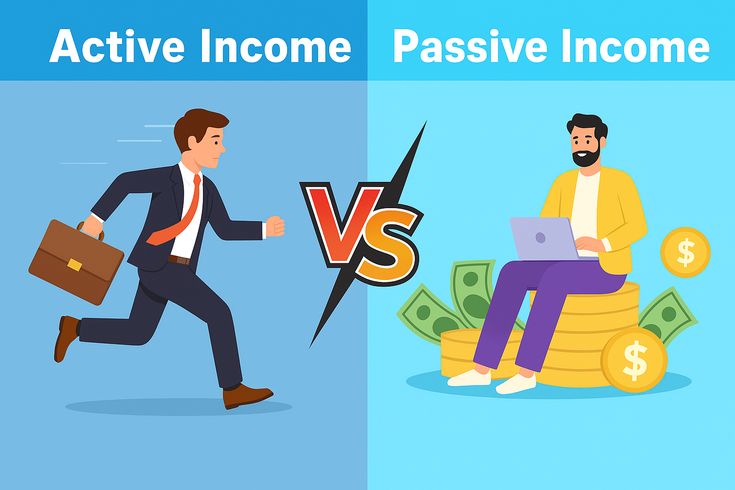
When I first learned about passive income, understanding active income helped me understand the difference.
Active Income
Income that requires your direct time and effort.
Examples:
- Salary
- Freelancing
- Hourly work
- Consulting
No work usually means no income.
Passive Income
Income that may continue after the initial effort or investment.
Examples:
- Rental income
- Dividend income
- Royalties
- Digital products
- Blog income
The income may continue even when you’re not actively working every hour.
Why Do People Want Passive Income?
The answer is simple:
Time.
There are only 24 hours in a day.
Active income is often limited by time.
Passive income has the potential to continue generating earnings without requiring every hour of your day.
This is one reason many people become interested in building additional income streams.
The Biggest Myth About Passive Income
This was one of the biggest surprises for me.
Many people believe passive income means:
- No work.
- No risk.
- Instant money.
- Fast success.
In reality:
Most passive income sources require significant effort in the beginning.
For example:
- Writing articles.
- Creating videos.
- Building a website.
- Investing money.
- Creating products.
Passive income is often delayed income rather than easy income.
Common Examples of Passive Income

1 Rental Income
One of the oldest forms of passive income.
A person buys property and rents it to tenants.
The rent generates regular income.
However, rental income also comes with responsibilities such as maintenance and repairs.
2 Dividend Income
Some investments may distribute profits to investors in the form of dividends.
This can create an additional source of income.
However, dividends are never guaranteed.
3 Blogging

This is probably one of the examples many beginners relate to.
A blog article may continue attracting visitors long after it is published.
Some blogs generate income through:
- Advertising
- Affiliate marketing
- Sponsored content
When I first learned about blogging, I was surprised that a single article could continue attracting readers for years.
4 YouTube Content
A video created today may continue receiving views in the future.
Those views may continue generating income.
However, creating quality content usually requires effort and consistency.
5 Selling Digital Products
Examples include:
- E-books
- Templates
- Courses
- Guides
The product may be created once and sold multiple times.
6 Investments
Some investments may generate returns over long periods.
Examples include:
- Mutual funds
- Stocks
- Bonds
All investments involve risk and require proper understanding.
My Experience Learning About Passive Income
When I first heard about passive income, I wanted to find the fastest and easiest method.
Eventually, I realized I was asking the wrong question.
The better question was:
What asset can I build today that may continue creating value in the future?
That mindset changed everything.
Instead of chasing shortcuts, I started appreciating consistency and long-term thinking.
Why Passive Income Is Attractive
Passive income can potentially provide:
- Additional income sources
- Greater financial flexibility
- Reduced dependence on one income source
- Long-term wealth-building opportunities
Many people view passive income as a way to improve financial security.
Can Passive Income Replace a Salary?
Sometimes yes.
Often no.
This depends on:
- Income level
- Expenses
- Investments
- Financial goals
For most beginners, passive income starts as a small supplement rather than a complete replacement for active income.
Common Mistakes Beginners Make

Expecting Fast Results
This is probably the biggest mistake.
Most passive income systems take months or years to grow.
Chasing Trends
Many people jump from one opportunity to another without staying consistent.
Consistency often matters more than trends.
Ignoring Risks
Every passive income source has risks.
Examples:
- Rental vacancies
- Market declines
- Reduced website traffic
Understanding risk is important.
Not Learning Skills
Passive income often rewards people who develop valuable skills first.
A Real-Life Example
Imagine two friends.
Vikram
Vikram relies entirely on salary income.
If his job stops, his income stops.
Arjun
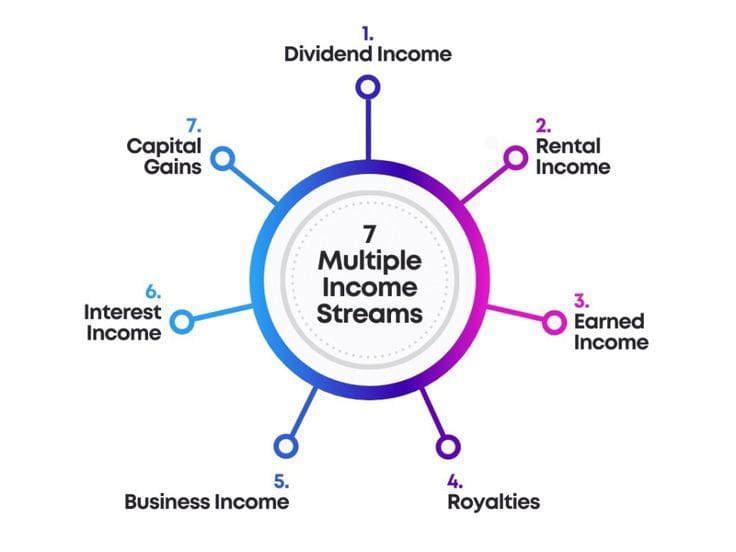
Arjun also has a job but spends a few years building additional income sources such as:
- Investments
- Blogging
- Digital products
Over time, these additional income streams may provide extra financial security.
This example helped me understand why many people focus on building multiple income sources.
Does Passive Income Mean Financial Freedom?
necessarily.
Passive income can contribute toward financial freedom, but the two terms are not identical.
Financial freedom depends on:
- Expenses
- Lifestyle
- Savings
- Investments
- Income sources
Passive income is often one piece of the puzzle.
How Beginners Can Start Exploring Passive Income
If you’re a beginner, consider asking yourself:
- What skills do I have?
- What interests me?
- What can I build consistently over time?
The goal is not finding a magic shortcut.
The goal is creating value that may continue benefiting others in the future.
What I Learned About Passive Income
The biggest lesson passive income taught me is that money and time are closely connected.
Most people exchange time for money.
Passive income attempts to create systems where your previous work may continue creating income later.
That idea completely changed the way I think about earning money.
Final Thoughts
Passive income is not a shortcut to becoming rich overnight.
It usually requires effort, patience, learning, and consistency.
But for many people, it can become an important part of long-term financial planning.
For beginners in 2026, the most important thing isn’t finding the perfect passive income source.
It’s understanding that building assets and creating value today may create opportunities tomorrow.
Because sometimes the smartest financial decisions are not the ones that pay immediately.
They’re the ones that continue paying long after the work is done.