
1. Check the Annual Fee
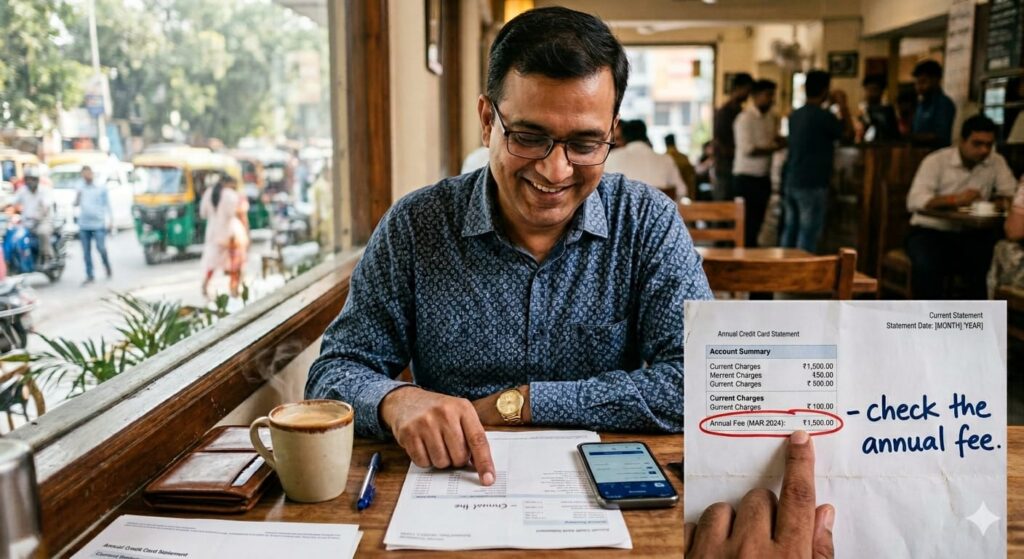
The very first thing to check is the annual fee. While some credit cards come with an annual fee, some come with a free lifetime membership. For beginners, it might be a good option to select a card with low fee or lifetime free.
2. Look at the Interest Rate
Another important factor is the interest rates. Most of you should already know that if you do not settle your credit card bill on time, the remaining balance will incur high-interest charges. By understanding the interest rate, you can avoid paying unnecessary charges.
3. Compare Rewards and Cashback Benefits
There are various credit cards that provide a number of different benefits. Some offer cashback on shopping, others provide reward points, travel at discounts or discounts from food delivery services. Pick a card that fits your spending patterns.
4. Check the Eligibility Criteria
Check the eligibility requirements of the bank before applying. Approval likelihood can also be influenced by age, income, employment status and credit history.
5. Understand Hidden Charges
People mostly pay attention to rewards, and forget the additional charges. Check late payment fees, cash withdrawal charges and other extra costs upfront before you apply.
6. Review the Credit Limit
You can spend money using your credit card, but the amount you can spend depends on your credit limit. A reasonable credit limit can help you manage your expenses properly while also helping you maintain a healthy credit score.
Conclusion
When you are applying for your first credit card it is a very important financial decision. Comparing features, fees and terms can take a while but eventually this will help you choose the right card. The right credit card can be an indispensable budgeting tool, while also helping you build solid credit history.