
Hey!
I’m Kushal from India.
I enjoy learning about finance and sharing simple financial knowledge with beginners. In this article. I will explain what a Current Account is how it works. its benefits and who should use it.
If you are new to banking, don’t worry. I will explain everything in a simple and easy to understand way.
What Is a Current Account ?

A Current Account is a type of bank account mainly designed for businesses, shop owners, freelancers, and people who make regular money transactions every day.
Unlike a Savings Account, a Current Account is not created for saving money. Instead, it is designed to help people and businesses send, receive, and manage money easily.
Example:- if you run a small business and receive payments from customers daily a Current Account can help you manage those transactions smoothly.
Why Is a Current Account Important ?
Many businesses deal with multiple transactions every day. They receive money from customers, pay suppliers, transfer salaries, and handle many financial activities.
Using a savings account for such frequent transactions may not always be convenient. This is where a Current Account becomes useful.
A Current Account helps businesses :
- Manage daily transactions easily
- Receive and send payments quickly
- Handle large amounts of money
- Maintain smooth business operations
How Does a Current Account Work ?

A Current Account works similarly to a Savings Account, but it is designed for regular and Daily banking transactions.
When you deposit money into a Current Account, you can withdraw or transfer it whenever needed.
Most banks provide :
- Debit cards
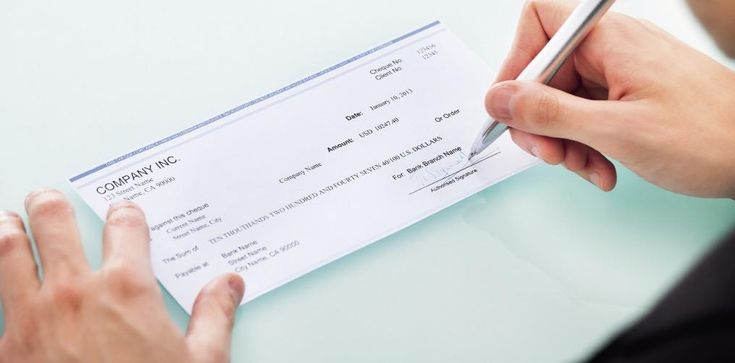
- Cheque books
- Internet banking
- Mobile banking
- UPI services
Example:- imagine you own a clothing shop. Every day customers pay you online and you also pay suppliers for inventory. A Current Account helps you manage these payments efficiently.
Features of a Current Account
Current Accounts come with several useful features.
1. Unlimited Transactions
One of the biggest benefits of a Current Account is that it usually allows a large number of transactions without restrictions.
2. Business-Friendly Banking
Current Accounts are specially designed for businesses and professionals.
3. Cheque Book Facility
Most banks provide cheque books with Current Accounts.
4. Online Banking
You can transfer money, pay bills and check balances through internet banking and mobile apps.
5. Overdraft Facility
Some banks offer an overdraft facility allowing account holders to withdraw more money than they currently have in their account, up to a certain limit.
Benefits of a Current Account
A Current Account provides several Benefits.
1. Smooth Business Transactions
Businesses can make and receive payments without worrying about transaction limits.
2. Easy Access to Funds
Money can be accessed anytime through ATM cards, online banking, and bank branches.
3. Professional Banking
Having a separate business account helps maintain professional financial records.
4. Better Cash Flow Management
It becomes easier to track incoming and outgoing money.
5. Overdraft Support
The overdraft feature can help businesses during temporary cash shortages.
Downsides of a Current Account
Although Current Accounts offer many benefits, they also have some downsides.
1. No Interest Earnings
Unlike Savings Accounts, most Current Accounts do not provide interest on deposited money.
2. Minimum Balance Requirements
Many banks require account holders to maintain a minimum balance.
3. Higher Charges
Some Current Accounts may include maintenance fees and transaction related charges.
This reason Current Accounts are generally recommended for businesses rather than peoples looking to save money.
Savings Account and Current Account
Many beginners get confused between Savings Accounts and Current Accounts.
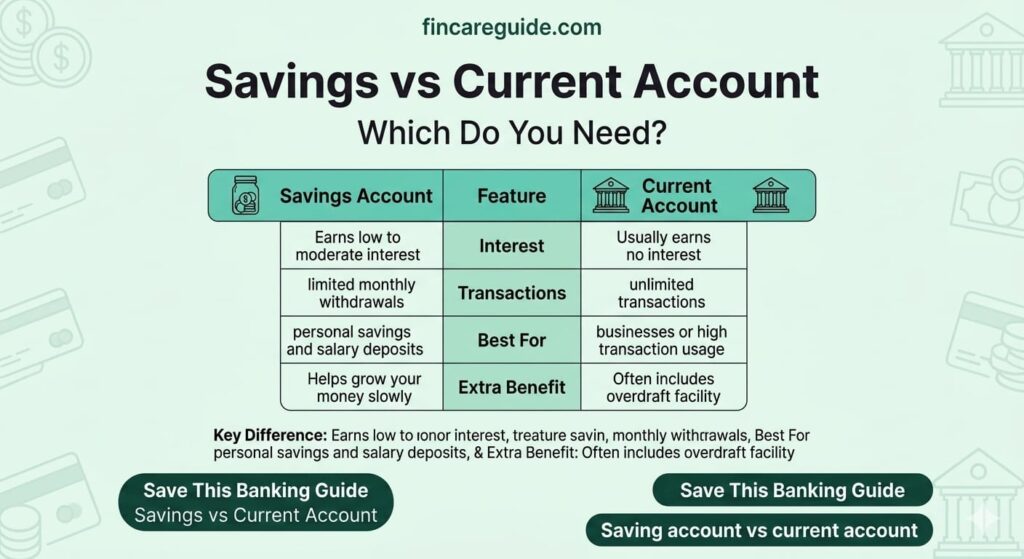
Differences :-
Savings Account
- Designed for personal savings
- Earns interest
- Suitable for students and salaried peoples
- Helps build savings
Current Account
- Built for businesses, freelancers, and professionals who handle regular transactions.
- Typically, these accounts do not offer interest on the balance maintained.
- Allows you to make and receive transactions as often as needed.
- Helps manage day-to-day business operations smoothly and efficiently.
Understanding this difference helps people choose the right account according to their needs.
Who Should Open a Current Account ?
A Current Account is suitable for :
- Business owners
- Shopkeepers
- Startups
- Freelancers
- Self-employed professionals
- Companies
If you regularly receive and send payments for business purposes a Current Account can be very useful.
Common Mistakes Beginners Make
In my opinion, one of the biggest mistakes beginners make is opening a Current Account without understanding its purpose. Many people think it is better than a Savings Account, but both accounts are designed for different needs.
Some common mistakes include :
- Opening a Current Account only for personal savings
- Ignoring minimum balance requirements
- Not checking account charges
- Mixing personal and business transactions
Tips Before Opening a Current Account
Before opening a Current Account, consider the following :
- Compare different banks
- Check minimum balance requirements
- Understand account charges
- Review online banking features
- Look for overdraft options if needed
Choosing the right account can save money and improve financial management.
Conclusion
A Current Account is a type of banking account that is ideal for businesses, professionals and individuals who conduct many transactions. It makes catering to the day to day running of a business much easier by enabling unlimited transactions, online banking facilities and overdraft facilities.
With the ability to not provide you with interest, like a Savings Account would, the Current Account is a great tool in managing the finances of your business. Knowing how a Current Account works can be a helpful way for a beginner to know what option is best for their personal or business needs.