
Hello Friends , I am from India
A credit report is a record of your history managing and repaying debt, including credit cards, loans and other bills. Lenders, financial institutions and others may use information from your credit reports to help them verify your identity and calculate the risk of doing business with you. Learning how to read and review your own credit report can be an important part of managing your personal finances.
What Is a Credit Report ?
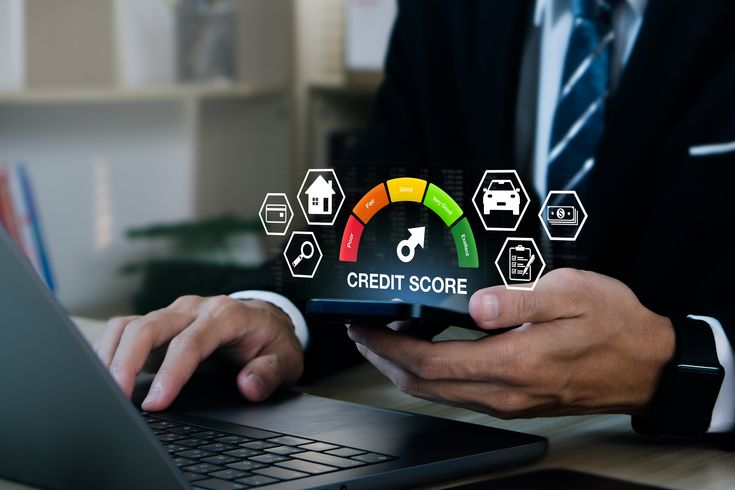
A credit report is a summary of your credit history. It includes a consumer-friendly presentation of data stored in the databases at one of the three major consumer credit bureaus (Experian, TransUnion or Equifax). The credit bureaus often have similar information about you in their respective systems, but each bureau organizes the data differently, and each formats its credit report in its own way.
Why Is a Credit Report Important ?
Your credit report plays an important role in your financial life.
Whenever you apply for :
- A personal loan
- A home loan
- A car loan
- A credit card
The lender may check your credit report before making a decision.
A good credit report can improve your chances of getting approved, while a poor report may make borrowing more difficult.
What Information Is in a Credit Report?
The information in your credit reports may be organized and presented differently depending on where you get a copy of your credit report. We have a guide that’s specific to understanding your Experian credit report, but here is a general overview of what you may find in each section of your credit report from any of the three bureaus.
Personal Information
Your personal information doesn’t impact your credit scores, but it can be important for connecting you with your credit accounts and verifying your identity. Typically, information in the categories listed below will appear if you’ve provided it to a creditor.
- Names :- Your full name, along with any variations of your name that you’ve used on credit accounts, will appear in this section. For example, your name with or without a middle name or initial, nicknames and surnames that you used prior to marriage or divorce.
- Addresses: Your current address and previous addresses
- Phone numbers: Current and previous phone numbers
- Social Security numbers: Your Social Security number (SSN) and possible variations that creditors have reported to the bureau. The credit bureau may mask part or all of the SSN to help protect consumers from identity theft.
- Date of birth: Your credit report may list your entire date of birth or just the year.
- Joint applicants: The names of any persons with whom you’ve jointly applied for credit in the past
- Employers: The names of current and past employers
- Personal statements: You can add a general statement to your credit report if, for example, you want to give context for why you fell behind on payments. Account-specific statements can also be added.
Credit Accounts
This section shows information about :
- Credit cards
- Personal loans
- Home loans
- Auto loans
Payment History
One of the most important sections.
It shows whether you paid your bills and loan EMIs on time.
Credit Inquiries
Whenever you apply for a loan or credit card, the lender may check your credit report.
These checks may appear in your report.
Outstanding Balances
This section shows how much debt you currently owe.
Why Is Your Credit Report Important ?
Your credit report is important for many reasons.
- It’s the basis for your credit scores.
- Creditors may make decisions based on what’s in your credit report.
- Employers, landlords and insurance companies may check your credit report or credit-based insurance scores.
- Your personal information can be used to verify your identity for many products and services.
Reviewing your credit reports can help you quickly detect and resolve suspicious activity. For example, the appearance of unexpected hard credit inquiries, new loans or new credit cards might indicate fraudulent activity.
How Does a Credit Report Work ?
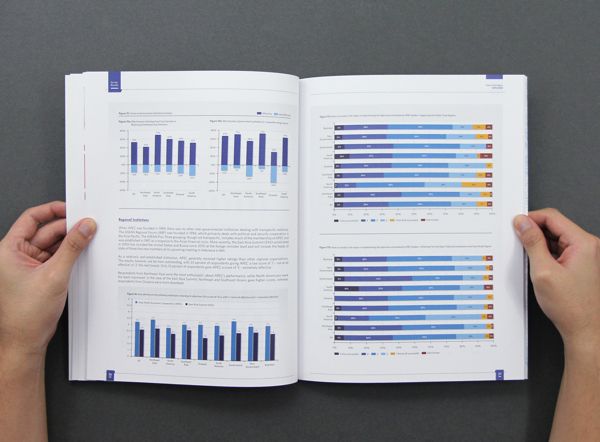
Think of a credit report as a record book.
Every time you:
- Use a credit card
- Take a loan
- Pay an EMI
- Miss a payment
The information may be recorded in your credit report.
Over time, this information creates a financial history that lenders can review.
Real-Life Example
Imagine two friends, Rahul and Aman.
Rahul pays all his credit card bills on time and never misses an EMI payment.
Aman often pays late and sometimes misses payments completely.
After a few years, Rahul’s credit report will generally look much stronger than Aman’s.
If both apply for a loan, lenders may view Rahul as a lower-risk borrower because of his responsible payment history.
This example shows how daily financial habits can affect your credit report over time.
Credit Report vs Credit Score
Many beginners confuse these two terms.
Credit Report
A detailed record of your borrowing history.
Credit Score
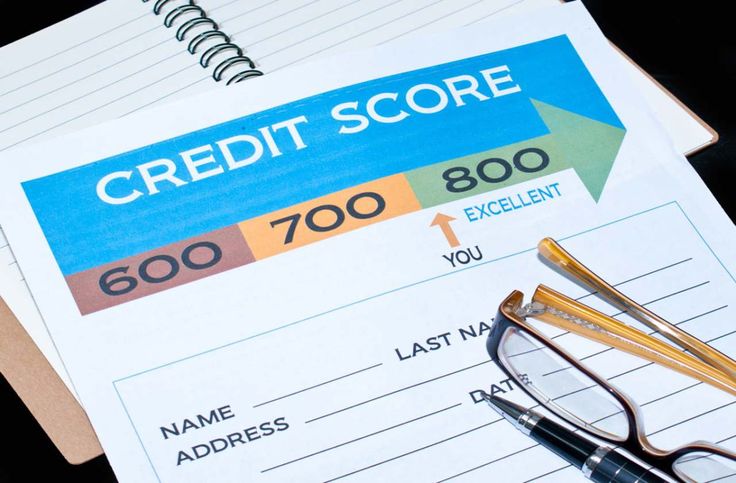
A three-digit number calculated using information from your credit report.
Simply put:
Your credit report is the complete report card, while your credit score is one important number derived from that report.
What Can Affect Your Credit Report ?
Several factors can impact your credit report.
Late Payments
Missing credit card bills or loan EMIs can negatively affect your report.
High Credit Card Usage
Using too much of your available credit limit may create concerns for lenders.
Multiple Loan Applications
Applying for many loans within a short period may affect how lenders view your credit behavior.
Loan Defaults
Failing to repay loans can significantly damage your credit report.
Errors in the Report
Sometimes mistakes may appear in a credit report, which is why checking it regularly is important.
Benefits of Checking Your Credit Report
There are several advantages to reviewing your credit report.
Identify Errors
Mistakes can sometimes occur in financial records.
Monitor Your Financial Health
A credit report provides insight into your borrowing habits.
Improve Loan Approval Chances
Understanding your report allows you to fix problems before applying for credit.
Prevent Fraud
Regular monitoring may help detect unauthorized accounts or suspicious activity.
Common Mistakes Beginners Make
In my opinion, one of the biggest mistakes beginners make is ignoring their credit report until they need a loan.
Other common mistakes include :
- Missing EMI payments
- Paying credit card bills late
- Applying for too many loans
- Never checking their credit report
- Assuming credit reports don’t matter
These habits can negatively affect your financial reputation.
Tips for Maintaining a Good Credit Report
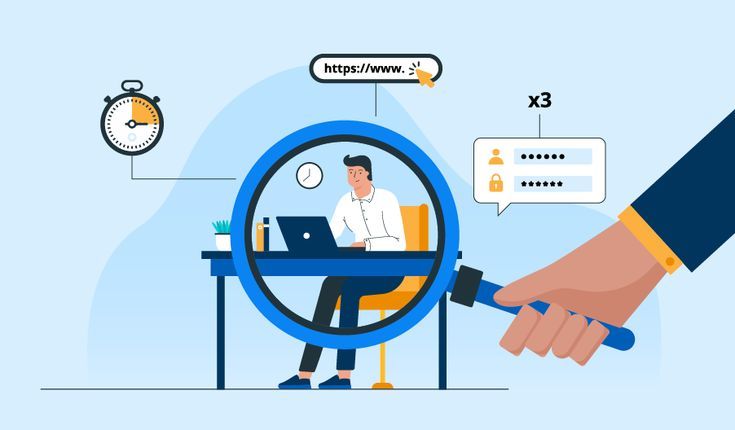
If you want a healthy credit report, consider these tips:
Pay Bills on Time
Timely payments are one of the most important factors.
Keep Credit Usage Low
Avoid using your entire credit limit.
Review Your Report Regularly
Check for mistakes and suspicious activity.
Avoid Unnecessary Borrowing
Only borrow when necessary.
Manage Debt Responsibly
Keep your loans and credit cards under control.
Monitor Your Credit for Free
Although regularly checking your credit reports may be a good idea, ongoing credit monitoring can be an easier way to keep an eye on your credit. Experian’s free credit monitoring can highlight recent changes in your credit report and explain why they may be important. Members also receive real-time alerts when there are significant changes in their credit report, such as a new hard inquiry, new account or updated personal information.
Conclusion
A credit report is one of the most important documents in personal finance. It provides a detailed record of your borrowing history and helps lenders evaluate your financial responsibility.
Understanding your credit report can help you make better financial decisions, improve your chances of loan approval, and maintain a strong financial reputation.
For beginners, checking and understanding a credit report may seem complicated at first, but once you learn the basics, it becomes an important step toward better financial management and long-term financial success.
Pingback: 2026-Best Credit Cards for Beginners - Fin Care Guide
Pingback: Credit Card vs Debit Card: What's the Difference? A Beginner's Guide (2026) - Fin Care Guide