
Hi, I’m Kushal from India.

When I first started learning about the stock market, I kept hearing people say things like, “This company’s IPO is coming next week,” or “I got an IPO allotment!” Honestly, I had no idea what they were talking about.
At first, I thought an IPO was just another type of stock or a special investment plan. But after reading more about it, I realized an IPO is actually the first step a company takes before its shares become available to the public.
Once I understood this concept, many other stock market topics became much easier to understand.
If you’ve heard about IPOs but never knew what they really mean, don’t worry. In this guide, I’ll explain everything in simple language with real-life examples, so even if you’re completely new to investing, you’ll understand the basics.
What Is an IPO?
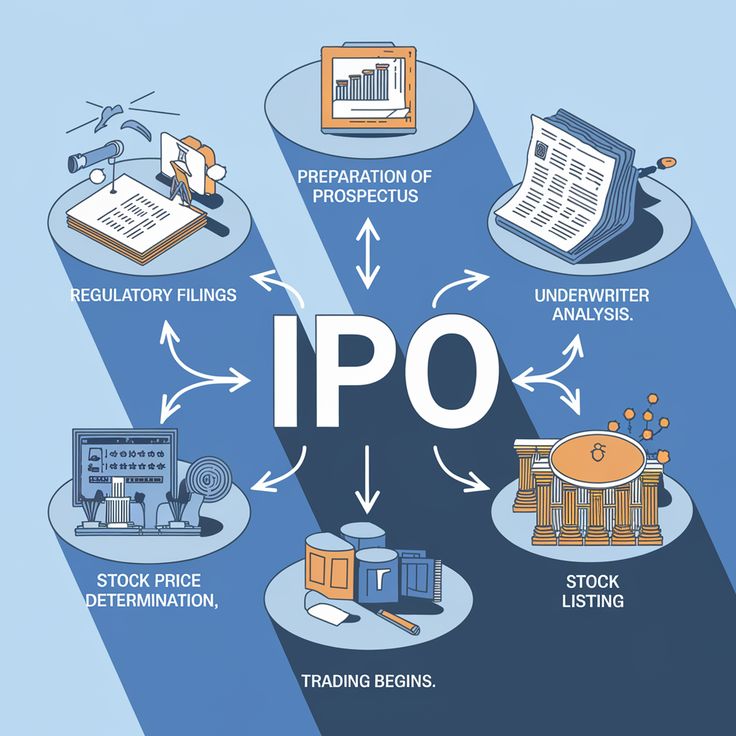
IPO stands for Initial Public Offering.
An IPO is the process through which a private company offers its shares to the public for the first time.
Before an IPO, the company is usually owned by its founders, investors, and a small group of shareholders.
After the IPO, anyone who meets the eligibility requirements can apply to buy shares during the IPO period.
In simple words:
An IPO is the first time a company invites the public to become its shareholders.
A Simple Real-Life Example
Imagine your friend starts a small bakery.
At first, he owns the entire business.
After a few years, the bakery becomes popular, and he wants to open more branches. To do that, he needs more money.
Instead of taking a large bank loan, he decides to invite other people to invest in his business in exchange for a small ownership share.
Now, those investors become part-owners of the bakery.
This is similar to what happens during an IPO, except large companies invite thousands or even millions of investors.
Why Do Companies Launch an IPO?

When I first learned about IPOs, one question immediately came to my mind:
Why would a successful company sell part of its ownership?
The answer is simple.
Companies often need money to:
- Expand their business
- Open new offices or factories
- Develop new products
- Reduce existing debt
- Invest in technology
- Increase brand awareness
Instead of borrowing all the money from banks, companies may choose to raise funds through an IPO.
How Does an IPO Work?
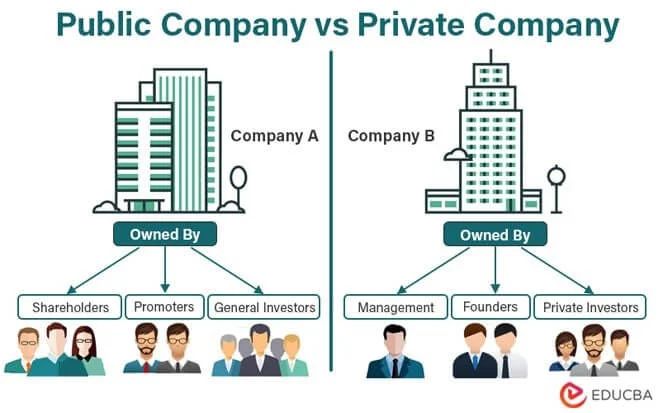
Let’s understand the process step by step.
Step 1: Company Decides to Go Public
The company decides it wants to raise money from public investors.
Step 2: IPO Announcement
The company announces that it plans to offer shares to the public.
Investors can now learn about the company and decide whether they want to apply.
Step 3: Investors Apply
Interested investors submit applications during the IPO period.
If demand is very high, not everyone may receive shares.
Step 4: Share Allotment
The company decides which applicants receive shares.
Some investors may receive all the shares they applied for, while others may receive fewer or none.
Step 5: Stock Exchange Listing
Once the IPO process is complete, the company’s shares begin trading on the stock exchange.
From this point onward, investors can buy and sell those shares like other listed companies.
What Does “Going Public” Mean?
Before an IPO, a company is called a private company because ownership is limited to a small group of people.
After an IPO, it becomes a public company, meaning its shares can be bought and sold by public investors through the stock exchange.
My Experience Learning About IPOs
When I first heard people discussing IPOs, I thought applying for every IPO was a smart idea.
Later, I realized that not every IPO is the same.
Some companies have strong businesses and long-term potential, while others may face challenges.
That taught me an important lesson:
An IPO should be researched just like any other investment.
Can Anyone Apply for an IPO?
In many cases, yes.
Retail investors who meet the eligibility requirements and have the necessary investment account can apply during the IPO period.
However, applying does not guarantee that you’ll receive shares.
If many people apply, the shares may be allotted only to some applicants.
What Is IPO Allotment?
One term that confused me initially was IPO allotment.
Suppose a company offers $10,000 shares.
But investors apply for $50,000 shares.
Since demand is much higher than supply, the company cannot give shares to everyone.
The process of deciding who receives shares is called IPO allotment.
Advantages of Investing in an IPO
1 Opportunity to Invest Early
One attraction of an IPO is the opportunity to invest when the company first becomes publicly listed.
2. Potential Long-Term Growth
If the company performs well over many years, investors may benefit from its growth.
However, future performance is never guaranteed.
3. Becoming a Shareholder
Buying IPO shares makes you one of the company’s shareholders.
4. Learning About Investing
For beginners, understanding IPOs helps build knowledge about how companies raise money and how the stock market works.
Risks of IPOs
One thing I learned early is that every investment carries risk, and IPOs are no exception.
Some common risks include:
- The share price may fall after listing.
- The company may not perform as expected.
- Market conditions can change.
- Investor demand may decrease.
This is why investing based only on excitement or social media hype can be risky.
IPO vs Buying Existing Stocks
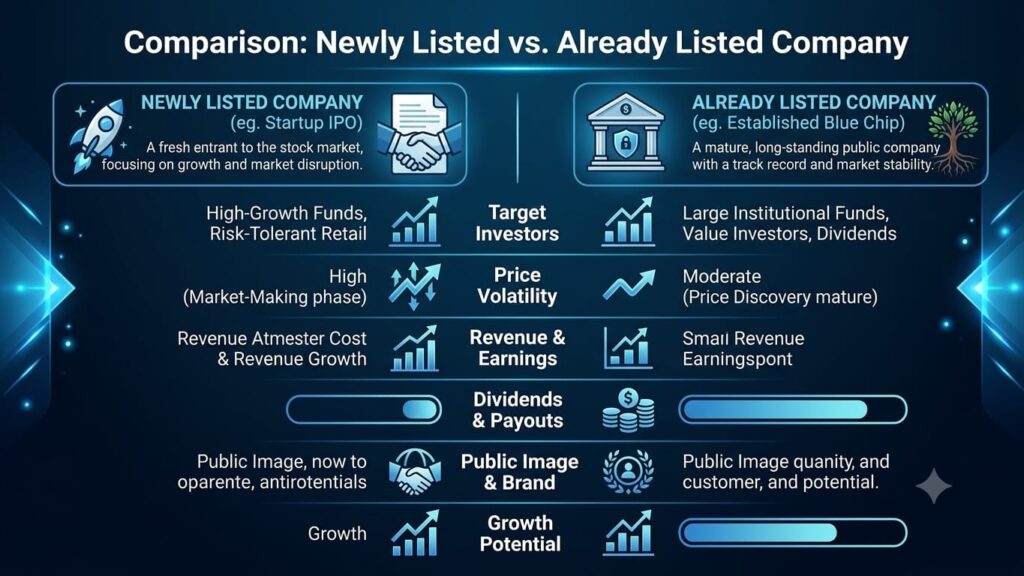
Many beginners think these are the same thing.
There is an important difference.
IPO
You are buying shares when the company is entering the stock market for the first time.
Existing Stocks
You are buying shares of companies that are already listed and trading on the stock exchange.
A Real-Life Example
Imagine two friends.
Rahul
Rahul applies for every IPO simply because everyone around him is talking about it.
He never reads about the company.
Aman
Before applying, Aman studies the company’s business, products, financial performance, and future plans.
Even if he decides not to invest, his decision is based on research rather than emotions.
This example taught me that knowledge is often more valuable than excitement.
Common Mistakes Beginners Make
In my opinion, these are some common IPO mistakes.
Applying Without Research
Never assume every IPO is a good investment.
Expecting Instant Profits
Some beginners believe every IPO will generate quick gains.
In reality, share prices can move both upward and downward.
Following Social Media Blindly
Popular opinions should never replace proper research.
Investing More Than You Can Afford
Never invest money you may need for emergencies or daily expenses.
Should Beginners Invest in IPOs?
It depends.
Before applying for an IPO, beginners should understand:
- How the company earns money.
- Why the company is raising funds.
- The risks involved.
- Their own financial goals.
Learning should always come before investing.
My Personal View on IPOs
The biggest lesson IPOs taught me is that investing is not about being the first person to buy a company’s shares.
It’s about understanding the business you’re becoming a part-owner of.
A well-known company isn’t automatically a good investment, and a new company isn’t automatically a bad one.
The key is to focus on research, patience, and long-term thinking instead of short-term excitement.
Final Thoughts
An IPO is an exciting stage in a company’s journey because it allows the public to become shareholders for the first time.
While IPOs can offer interesting investment opportunities, they also involve risks and should never be treated as guaranteed ways to make money.
For beginners in 2026, the best approach is to learn how IPOs work, understand the company behind the IPO, and invest only after careful research.
Remember, successful investing isn’t about applying for every IPO you see.
It’s about making informed decisions that match your financial goals and risk tolerance.

Conclusion
An IPO is more than just a company’s first sale of shares to the public—it’s an opportunity for investors to become part-owners of a business from the beginning of its journey as a publicly listed company. While IPOs can be exciting, they also come with risks, and not every IPO becomes a successful investment.
In my opinion, one of the biggest mistakes beginners make is applying for an IPO simply because it’s trending or everyone else is talking about it. A better approach is to understand the company’s business, learn why it’s raising money, and decide whether the investment matches your financial goals.
Remember, successful investing isn’t about investing in every IPO that comes to the market. It’s about making informed decisions, staying patient, and focusing on long-term wealth creation. The more you learn before investing, the more confident you’ll become in building a strong financial future.