
Hi, I’m Kushal from India.

When I first heard the words “Stock Market,” I imagined a place where only rich people made money by buying and selling expensive company shares. I also thought you needed years of experience to understand how it worked.
Whenever the news talked about the stock market going up or crashing, I became even more confused. Some people said it was the best way to build wealth, while others warned that it was nothing more than gambling.
The more I learned, the more I realized that both views are incomplete.
The stock market isn’t a machine that makes people rich overnight, and it’s not just gambling either. It’s simply a place where investors buy and sell ownership in companies.
If you’re completely new to investing, don’t worry. In this guide, I’ll explain the stock market in simple language using real-life examples so that anyone can understand it.
What Is the Stock Market?
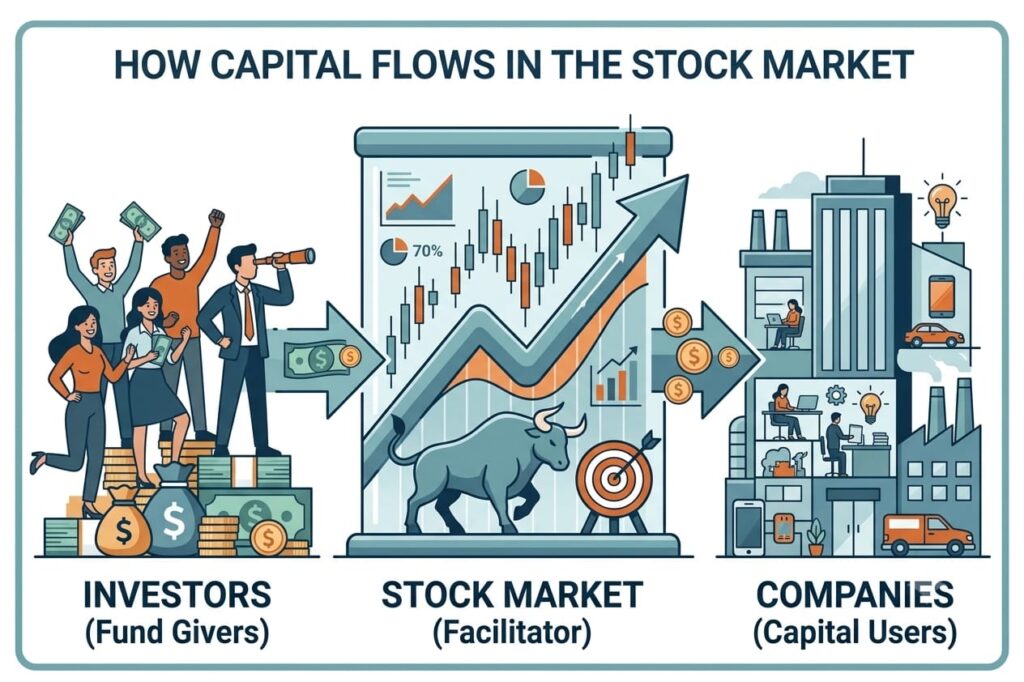
The stock market is a marketplace where people buy and sell shares of publicly listed companies.
When you buy a company’s stock, you become a small owner of that company.
For example, if you buy shares of a company like Apple, Microsoft, or Tata Motors, you own a tiny part of that business.
In simple words:
The stock market allows people to invest in companies by buying their shares.
A Simple Real-Life Example
Imagine your friend wants to open a small café.
He needs $10,000 to start the business but only has $6000.
Instead of taking a loan, he asks four friends to invest $1000 each.
Now all five people own a part of the café.
If the café becomes successful, everyone benefits.
If the café struggles, everyone shares the risk.
The stock market works in a very similar way—except companies raise money from thousands or even millions of investors instead of just a few friends.
Why Do Companies Sell Shares?

When I first learned about the stock market, one question came to my mind:
Why would a company sell part of its ownership?
The answer is simple.
Companies often need money to:
- Expand their business
- Build new factories
- Launch new products
- Hire more employees
- Enter new markets
Instead of borrowing all the money from banks, they can raise money by selling shares to the public.
Why Do People Invest in the Stock Market?
People invest for different reasons.
Some want to:
- Grow their wealth over time
- Beat inflation
- Save for retirement
- Build long-term financial security
- Create wealth for future generations
Many investors see the stock market as a long-term investment rather than a way to make quick money.
How Does the Stock Market Work?
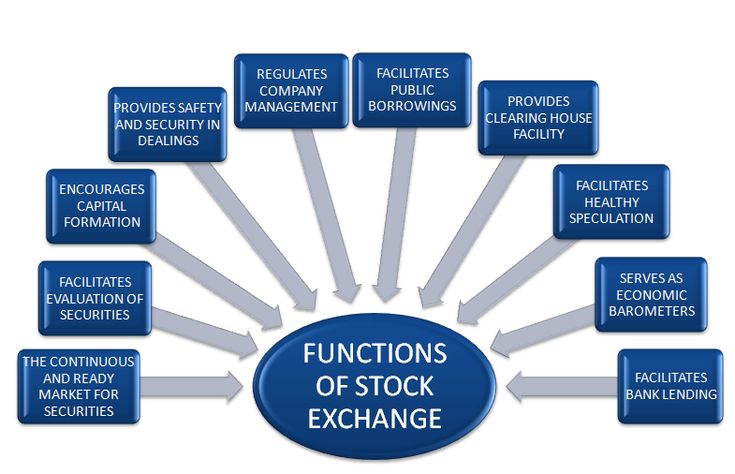
Let’s understand it step by step.
Step 1: A Company Lists Its Shares
A company decides to make its shares available to the public.
Step 2: Investors Buy Shares
People purchase shares through a stock exchange using a broker.
Step 3: Share Prices Change
Prices move up and down based on demand, company performance, economic conditions, and investor sentiment.
Step 4: Investors Can Sell Their Shares
If investors choose, they can sell their shares to other investors through the stock market.
What Is a Share?
A share represents a small ownership stake in a company.
Imagine a company is divided into one million equal pieces.
Each piece is called a share.
Owning one share means you own a tiny part of that company.
The more shares you own, the larger your ownership.
What Makes Share Prices Go Up or Down?

This was one of the biggest questions I had.
Share prices change because buyers and sellers constantly trade.
Prices may rise when:
- The company reports strong profits.
- Investors expect future growth.
- Demand for shares increases.
Prices may fall when:
- Company performance weakens.
- Investors become worried.
- Economic conditions worsen.
No one can predict stock prices with complete accuracy.
My Experience Learning About the Stock Market
When I first started learning, I believed successful investing meant buying the “perfect” stock.
Later, I realized experienced investors often spend more time understanding businesses than trying to predict tomorrow’s prices.
That completely changed my perspective.
Instead of asking,
“Which stock will double next month?”
I started asking,
“Is this a good company for the long term?”
That mindset made investing feel much more logical.
Is the Stock Market the Same as Gambling?
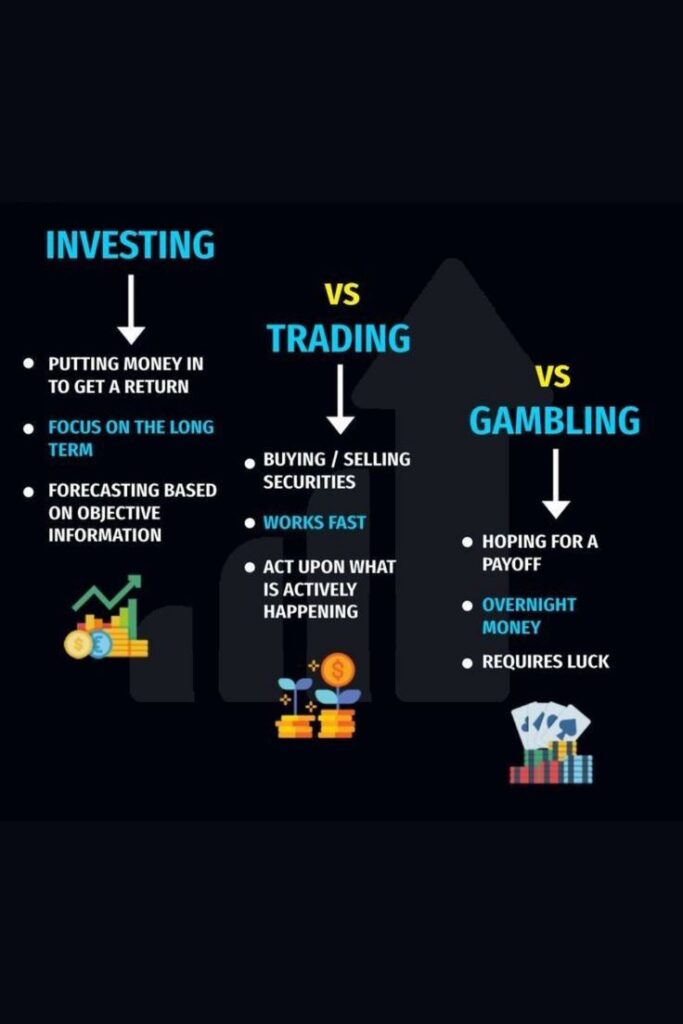
This is one of the biggest misconceptions beginners have.
At first glance, both involve uncertainty.
But there is an important difference.
Gambling depends mostly on luck.
Investing involves researching companies, understanding risks, and making informed decisions.
Of course, blindly buying random stocks without understanding them can become speculation rather than investing.
Knowledge plays a huge role.
Benefits of Investing in the Stock Market
1 Opportunity for Long-Term Growth
Historically, many companies have grown significantly over long periods.
Long-term investors hope to benefit from that growth.
2 Ownership
Buying shares makes you a part-owner of the company.
3 Liquidity
Stocks can generally be bought and sold during market hours.
4 Dividend Income
Some companies share a portion of their profits with shareholders through dividends.
5 Helps Beat Inflation
Over the long term, many investors use stocks as one way to help their money grow faster than inflation, though returns are never guaranteed.
Risks of the Stock Market
Every investment has risks.
The stock market is no exception.
Some common risks include:
Prices can fall.
- Companies may perform poorly.
- Markets can be volatile.
- Investments may lose value.
That’s why beginners should never invest money they might need immediately.
Common Mistakes Beginners Make

In my opinion, these are some of the biggest mistakes new investors make.
Expecting Quick Profits
Many people think they will double their money within a few weeks.
Investing usually takes patience.
Following Social Media Tips
Buying stocks simply because someone online recommends them can be risky.
Always do your own research.
Investing Without Learning
Understanding basic concepts first is much better than rushing into the market.
Panicking During Market Falls
Markets naturally move up and down.
Many beginners panic during temporary declines instead of focusing on long-term goals.
Putting All Money Into One Stock
Diversification helps reduce risk.
Investing everything in a single company increases risk significantly.
A Real-Life Example
Imagine two friends.
Rahul
Rahul buys random stocks after seeing trending videos online.
He checks prices every hour and becomes stressed whenever the market falls.
Aman
Aman spends time learning about investing.
He invests gradually, diversifies his investments, and focuses on long-term goals.
Five years later, Aman is more likely to feel confident because his decisions were based on knowledge instead of emotions.
This example taught me that patience is often more valuable than excitement.
Should Beginners Invest in the Stock Market?
It depends on several factors.
You should first:
- Build an emergency fund.
- Understand basic investing concepts.
- Avoid high-interest debt.
- Learn about risk.
Once these foundations are in place, you can decide whether stock market investing fits your financial goals.
My Personal View on the Stock Market
The biggest lesson the stock market taught me is that investing isn’t about predicting the future.
It’s about making informed decisions, staying patient, and thinking long term.
The more I learned, the less interested I became in finding “hot stocks” and the more interested I became in understanding businesses and managing risk.
That change in mindset made investing feel much less intimidating.
Final Thoughts
The stock market may seem complicated at first, but its basic idea is actually simple.
It gives companies a way to raise money and gives investors an opportunity to become part-owners of those companies.
While investing in stocks always involves risk, learning how the stock market works is an important first step toward making informed financial decisions.
For beginners in 2026, remember this:
You don’t need to know everything before you start learning.
But you should understand the basics before investing your money.
Because successful investing is rarely about luck.
It’s usually about knowledge, patience, and consistency.
Conclusion

The stock market may seem confusing at first, but once you understand the basics, it becomes much easier to learn. It isn’t a place where people become rich overnight. Instead, it’s a platform where individuals can invest in companies and potentially grow their wealth over time.
In my opinion, one of the biggest mistakes beginners make is investing without first understanding how the stock market works. Taking some time to learn the basics, starting with small investments, and thinking long term can make a huge difference.
Remember, successful investing isn’t about finding the “perfect” stock or making quick profits. It’s about being patient, staying consistent, and making informed financial decisions. The more you learn today, the more confident you’ll become in managing your money and building a stronger financial future.