
Hi, I’m Kushal from India.
When I first started learning about investing, I believed that success depended on choosing the “best” investment. I spent hours comparing stocks, mutual funds, fixed deposits, and gold, hoping to find one option that would give the highest returns.
But as I learned more, I realized experienced investors often ask a different question:
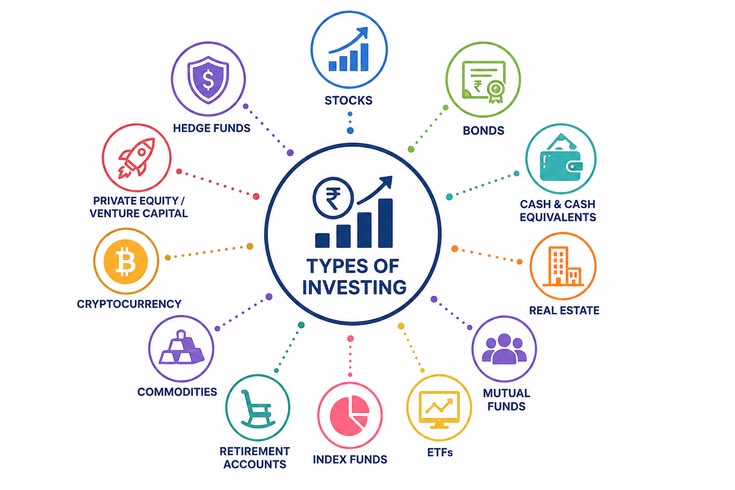
“How should I divide my money among different investments?”
That’s when I came across the term Asset Allocation.
At first, it sounded like a complicated financial strategy used only by professionals. But once I understood the idea, I realized it’s actually one of the most important concepts every beginner should know.
Asset allocation isn’t about finding the perfect investment. It’s about deciding how much of your money should go into different types of investments based on your goals and comfort with risk.
In this guide, I’ll explain asset allocation in simple language with practical examples, so even if you’re completely new to investing, you’ll understand why it matters.
What Is Asset Allocation?
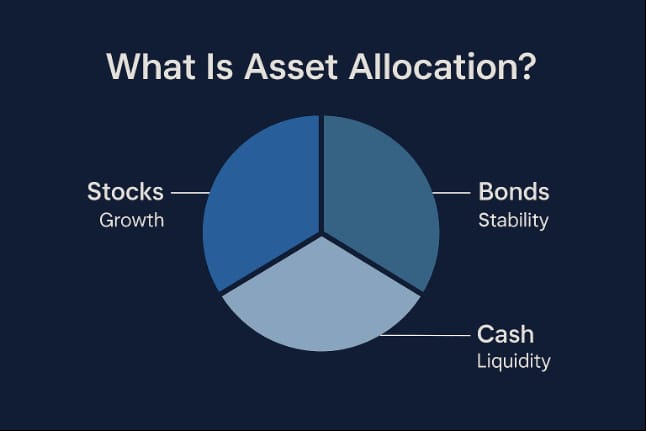
Asset allocation is the process of dividing your investment money among different asset classes, such as:
- Stocks
- Mutual Funds
- Bonds
- Fixed Deposits (FDs)
- Gold
- Cash or Savings
The purpose of asset allocation is to balance risk and potential returns according to your financial goals.
In simple words:
Asset allocation means deciding how much money to invest in each type of asset instead of putting everything into one place.
A Simple Real-Life Example
Imagine you have $1000 to invest.
Instead of investing the entire amount in stocks, you decide to spread it like this:
- $500 in Stocks
- $200 in Mutual Funds
- $150 in Fixed Deposits
- $100 in Gold
- $50 in Savings
Now your money is spread across different investments.
If one investment performs poorly, the others may help reduce the overall impact.
This is asset allocation.
Why Is Asset Allocation Important?

When I first learned about investing, I focused only on returns.
Later, I realized that protecting your money is just as important as growing it.
Every investment behaves differently.
Sometimes stocks perform well.
Sometimes gold performs better.
Sometimes fixed deposits provide stability.
Because nobody knows exactly what the future holds, spreading your investments wisely can help create a more balanced portfolio.
Asset Allocation vs Diversification
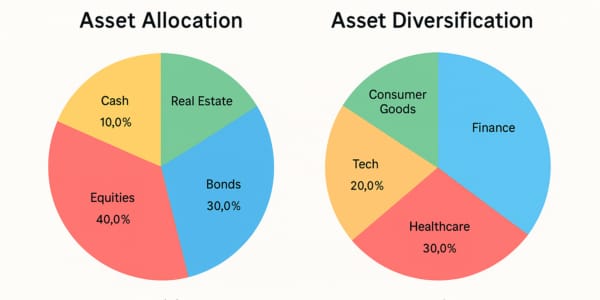
When I first heard these two terms, I thought they meant exactly the same thing.
They are related but different.
Asset Allocation
It answers the question:
“How much money should I invest in each asset class?”
Example:
- 60% Stocks
- 20% Bonds
- 10% Gold
- 10% Cash
Diversification
It answers the question:
“How should I spread my investments within each asset class?”
For example, within stocks you might invest in companies from different industries instead of buying shares of only one company.
A simple way to remember it is:
Asset allocation decides the categories. Diversification decides the variety within those categories.
Different Types of Asset Classes
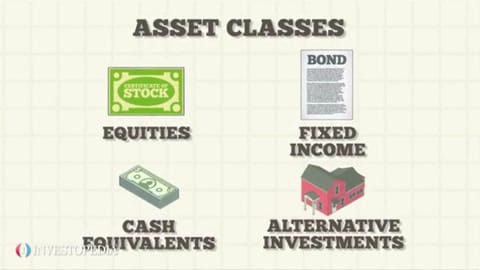
Let’s look at the most common asset classes beginners should know.
1.Stocks
Stocks represent ownership in companies.
They may offer higher long-term growth potential, but they also come with higher risk.
2. Mutual Funds
Mutual funds pool money from many investors and invest in different securities.
They are often used by beginners because professional fund managers manage the investments.
3. Gold
Gold is often considered a way to diversify a portfolio.
Its performance may differ from stocks during certain market conditions.
4. Fixed Deposits
FDs generally offer stable returns and lower risk compared to stocks.
Many people use them to preserve capital.
5. Cash and Savings
Keeping some money in savings provides liquidity for emergencies and short-term needs.
My Experience Learning About Asset Allocation
Initially, I wanted to invest everything in the option that seemed to offer the highest returns.
Later, I realized that chasing returns without considering risk could lead to unnecessary stress.
Asset allocation taught me that investing isn’t just about earning more—it’s also about staying prepared for different market situations.
That changed the way I think about managing money.
Factors That Affect Asset Allocation

There is no single asset allocation that works for everyone.
Several factors influence it.
Age
A younger investor with a long investment horizon may choose a different allocation than someone nearing retirement.
Financial Goals
Saving for a house, retirement, or children’s education may require different investment approaches.
Risk Tolerance
Some people are comfortable with market fluctuations.
Others prefer more stable investments.
Understanding your comfort level is important.
Investment Time Horizon
Money needed next year may be invested differently than money intended for use 20 years from now.
Sample Asset Allocation
Here are simple examples for illustration only—not recommendations.
Example 1: Conservative Portfolio
- 30% Stocks
- 20% Mutual Funds
- 30% Fixed Deposits
- 10% Gold
- 10% Cash
Example 2: Balanced Portfolio
- 50% Stocks
- 25% Mutual Funds
- 15% Fixed Deposits
- 5% Gold
- 5% Cash
Example 3: Growth-Oriented Portfolio
- 70% Stocks
- 20% Mutual Funds
- 5% Gold
- 5% Cash
These examples simply show how allocations can differ depending on goals and risk tolerance.
Benefits of Asset Allocation

1. Helps Manage Risk
Instead of depending on one investment, your money is spread across different assets.
2. Creates Balance
Different assets often perform differently under changing market conditions.
3. Reduces Emotional Decisions
A balanced portfolio may help investors stay calmer during market ups and downs.
4. Supports Long-Term Planning
Asset allocation encourages investing with long-term goals in mind instead of reacting to short-term market movements.
Can Asset Allocation Guarantee Profits?
No.
This is an important point.
Asset allocation cannot guarantee profits or eliminate losses.
Markets are unpredictable.
However, it can help manage risk and create a more balanced investment strategy.
Common Mistakes Beginners Make
In my opinion, these are some common mistakes.
Investing Everything in One Asset
Putting all your money into a single investment increases risk.
Copying Someone Else’s Portfolio
Your financial goals and risk tolerance may be completely different from someone else’s.
Ignoring Financial Goals
Investment decisions should always support your personal goals.
Never Reviewing Your Allocation
Over time, your investments may grow at different rates.
Reviewing your portfolio periodically helps ensure it still matches your goals.
Chasing Trends
Changing your asset allocation every time a new investment becomes popular often leads to poor decisions.
A Real-Life Example
Imagine two friends.
Rahul
Rahul invests all ₹2 lakh in one technology stock because he believes it will grow quickly.
Unfortunately, the technology sector declines, and his portfolio loses significant value.
Aman
Aman divides his ₹2 lakh among stocks, mutual funds, fixed deposits, and gold.
Although some investments decline, others remain stable.
Overall, his portfolio experiences less volatility.
This example taught me why experienced investors often emphasize balance over excitement.
How Often Should You Review Asset Allocation?

Your asset allocation doesn’t have to remain exactly the same forever.
Many investors review their portfolios periodically or after major life changes, such as:
- Starting a new job
- Marriage
- Buying a house
- Having children
- Approaching retirement
The purpose is to ensure your investments still align with your financial goals.
My Personal View on Asset Allocation
The biggest lesson asset allocation taught me is that successful investing isn’t about predicting which investment will perform best next year.
It’s about creating a portfolio that can handle different situations while helping you move toward your long-term goals.
That mindset made investing feel much less stressful and much more practical.
Final Thoughts
Asset allocation is one of the foundations of smart investing. By dividing your money among different asset classes, you can create a portfolio that balances potential returns with the level of risk you’re comfortable taking.
While asset allocation cannot guarantee profits, it can help you stay disciplined, reduce unnecessary risk, and remain focused on your long-term financial goals.
For beginners in 2026, remember that investing isn’t just about choosing the right investment—it’s also about deciding how to allocate your money wisely.
Because in the long run, a well-balanced portfolio often matters more than trying to find the next “hot” investment.

Conclusion
Asset allocation is one of the most important principles of successful investing because it helps you balance risk and potential returns by spreading your money across different types of investments. Instead of relying on a single asset, a well-planned allocation can make your portfolio more stable and better prepared for changing market conditions.
In my opinion, one of the biggest mistakes beginners make is investing all their money in one asset simply because it seems to be performing well. A smarter approach is to create an asset allocation that matches your financial goals, investment timeline, and risk tolerance. Remember, there is no one-size-fits-all portfolio—what works for one person may not be the best choice for another.
Successful investing is not about predicting which investment will perform best every year. It’s about building a balanced portfolio, staying disciplined, and reviewing your investments as your goals change over time. The sooner you understand asset allocation, the more confident you’ll become in making informed financial decisions and building long-term wealth.